

Can steel plates be bent easily?
Hey there! As a steel plate supplier, I get asked a ton of questions about steel plates, and one that comes up pretty often is, "Can steel plates be bent easily?" Well, let's dive right into it and break this down.
First off, we gotta understand what steel plates are made of. Steel is an alloy, mainly composed of iron and carbon, with small amounts of other elements like manganese, sulfur, phosphorus, and silicon. The properties of steel plates can vary widely depending on the exact composition and how they're processed.
When it comes to bending steel plates, it's not a one - size - fits - all situation. There are several factors that determine how easily a steel plate can be bent.
1. Type of Steel
There are different types of steel, and each has its own set of characteristics. For example, mild steel is one of the most common types. It has a relatively low carbon content, usually less than 0.3%. Mild steel is known for being quite ductile, which means it can be deformed without breaking easily. So, bending mild steel plates is relatively easier compared to some other types of steel.
On the other hand, high - carbon steel has a carbon content of 0.6% - 2.0%. This type of steel is much harder and stronger, but it's also more brittle. Bending high - carbon steel plates can be a real challenge because they're more likely to crack or break during the bending process.
Stainless steel is another popular choice. It contains chromium, which gives it corrosion - resistant properties. The bending ease of stainless steel plates depends on its grade. Some grades are more ductile and can be bent with relative ease, while others are more difficult due to their high strength and hardness.
2. Thickness of the Plate
The thickness of the steel plate plays a huge role in how easy it is to bend. Thinner steel plates are generally easier to bend than thicker ones. This is because the force required to bend a plate increases with its thickness. For example, a 1 - millimeter thick steel plate can be bent with a simple hand - held bending tool in some cases. But if you're dealing with a 10 - millimeter thick plate, you'll probably need heavy - duty machinery like a hydraulic press brake.
3. Bending Method
There are different methods for bending steel plates, and each has its own advantages and limitations.
Roll Bending: This method involves passing the steel plate through a series of rollers. The rollers apply pressure to the plate, gradually bending it into the desired shape. Roll bending is great for creating cylindrical or curved shapes. It's relatively gentle on the plate, and it can be used for both thin and thick plates, although thicker plates may require more powerful roller machines.
Press Braking: A press brake uses a punch and a die to bend the steel plate. The punch applies force to the plate, forcing it into the shape of the die. Press braking is very precise and can be used to create sharp bends. However, it requires careful setup to ensure the plate doesn't crack or warp.
Hot Bending: Sometimes, steel plates are heated to a high temperature before bending. Heating the steel makes it more malleable, which means it can be bent more easily. Hot bending is often used for thick plates or when a large degree of bending is required. But it also requires special equipment and safety precautions because of the high temperatures involved.
Applications of Bent Steel Plates
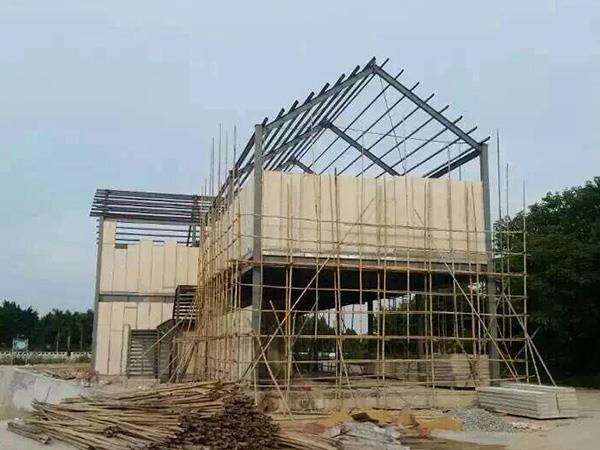
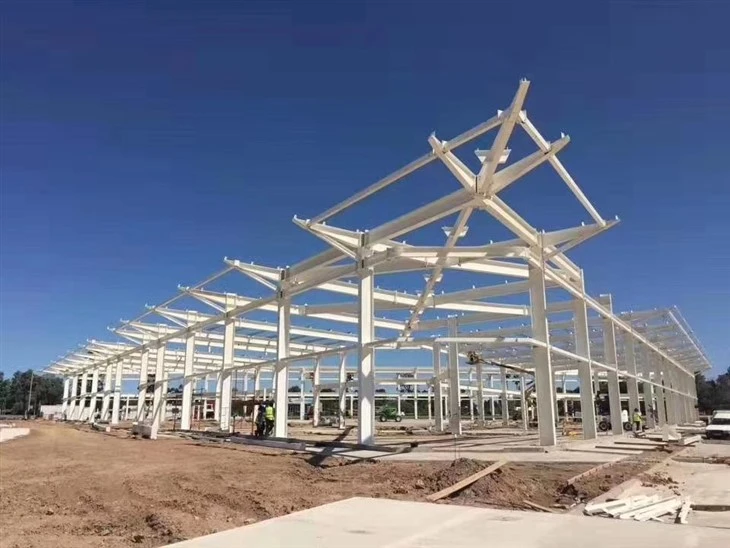
Bent steel plates are used in a wide variety of applications. In the construction industry, they're used for things like steel shed buildings. Steel shed buildings require bent steel plates to form the curved roofs and structural components.
High - rise buildings also rely on bent steel plates. High Rise Building Steel Structure Skyscraper Framing Systems use bent steel plates to create the complex shapes needed for the building's framework. These structures need to be strong and stable, so the quality of the bent steel plates is crucial.
In the manufacturing of vehicles, bent steel plates are used to form the body parts. They can be bent into different shapes to fit the design requirements of cars, trucks, and trains.
Steel framing systems are another area where bent steel plates are commonly used. These systems are used in the construction of houses, offices, and other buildings. The ability to bend steel plates allows for more flexibility in the design and construction process.
Tips for Bending Steel Plates
If you're planning to bend steel plates, here are some tips to keep in mind.
- Choose the Right Steel: Based on your application and the degree of bending required, select the appropriate type of steel. If you need a lot of bending, mild steel might be a good choice. If strength and corrosion resistance are more important, stainless steel could be the way to go.
- Prepare the Plate: Make sure the steel plate is clean and free of any defects before bending. Any cracks or flaws can cause the plate to break during the bending process.
- Use the Right Equipment: Depending on the thickness and type of steel plate, choose the appropriate bending equipment. Don't try to bend a thick plate with a tool that's not powerful enough.
- Test the Bending: Before bending a large number of plates, it's a good idea to do a test bend on a small piece of the same type of steel. This will help you determine the best settings and techniques for the bending process.
Conclusion
So, can steel plates be bent easily? Well, it depends on a few things, like the type of steel, the thickness of the plate, and the bending method. Some steel plates can be bent relatively easily, especially thin mild steel plates. But others, like thick high - carbon steel plates, can be a real challenge.
If you're in the market for steel plates and need them bent for your project, don't hesitate to reach out. We've got a wide range of steel plates in different types and thicknesses, and we have the expertise to help you with the bending process. Whether you're building a small shed or a high - rise skyscraper, we can provide you with the right steel plates for the job. Let's have a chat about your requirements and see how we can work together to make your project a success.
References
- ASM Handbook Volume 1: Properties and Selection: Irons, Steels, and High - Performance Alloys
- Steel Construction Manual, American Institute of Steel Construction
- Bending and Forming of Metals, Industrial Press Inc.