

Do steel frames attract pests?
Steel frames have become a popular choice in construction due to their numerous advantages, such as durability, strength, and cost - effectiveness. However, a question that often arises is whether steel frames attract pests. As a steel frame supplier, I've encountered this concern from many clients, and in this blog, I'll explore this topic in depth.
The Nature of Steel and Pests
Steel is an alloy primarily composed of iron and carbon, with other elements added to enhance its properties. Unlike wood, which is organic and provides a source of food and shelter for many pests, steel is an inorganic material. Insects like termites, which feed on cellulose found in wood, have no interest in steel because it doesn't contain any nutrients they can consume. Rodents also have no nutritional reason to chew on steel as they do with wood or other softer materials to wear down their continuously growing teeth.
From a physical perspective, steel is a hard and smooth material. Its surface doesn't provide the crevices and hiding places that pests often seek. For example, cockroaches and ants are attracted to dark, warm, and narrow spaces where they can build their nests. Steel frames, especially when properly installed, don't offer such environments. They are typically straight and have a uniform structure that is difficult for pests to penetrate and inhabit.
Environmental Factors
Although steel itself doesn't attract pests, the environment around the steel frame structure can play a significant role. Moisture is a key factor that can indirectly lead to pest problems. If there is poor drainage around a building with a steel frame, water can accumulate, creating a damp environment. This dampness can attract pests such as silverfish, which thrive in humid conditions. It can also cause rust on the steel frames over time. While rust doesn't attract pests directly, it can weaken the structure, creating small cracks and crevices where pests might find shelter.
Another environmental aspect is the presence of nearby vegetation. If plants are growing too close to a building with a steel frame, they can act as a bridge for pests to access the structure. For instance, trees with branches touching the building can allow squirrels and some insects to move easily onto the building. Moreover, decaying leaves and other organic matter from the vegetation can attract pests like beetles and spiders, which may then find their way into the building.
Protective Measures and Design Considerations
As a steel frame supplier, I always recommend proper design and installation to minimize the risk of pest infestations. For example, using a galvanized steel frame can provide an extra layer of protection. Galvanization involves coating the steel with a layer of zinc, which not only prevents rust but also makes the surface even less appealing to pests.
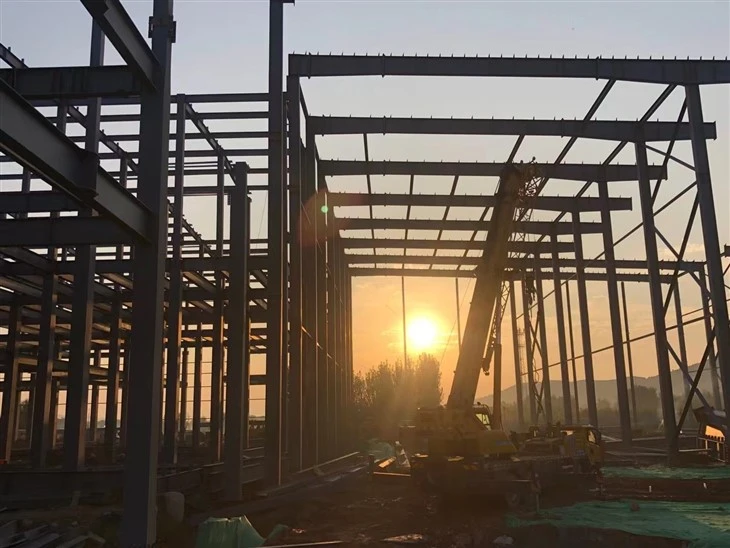
In terms of design, ensuring proper ventilation in the building is crucial. Good ventilation helps to keep the air dry and reduces the chances of creating a humid environment that attracts pests. Additionally, sealing all gaps and joints in the steel frame structure can prevent pests from entering. This can be done using appropriate sealants and gaskets during the installation process.

Case Studies and Research Findings
There have been several studies on the relationship between steel structures and pest infestations. One research project focused on comparing the pest occurrence in steel - framed and wood - framed buildings in a rural area. The results showed that the wood - framed buildings had a significantly higher rate of termite infestations, while the steel - framed buildings had almost no termite activity.
Another case study in an urban environment compared the presence of rodents in different types of commercial buildings. The steel - framed buildings had fewer rodent sightings, mainly because the steel frames provided fewer opportunities for rodents to gnaw and create entry points. These findings support the idea that steel frames are less likely to attract pests compared to other building materials.
The Role of Maintenance
Regular maintenance is essential for any building, including those with steel frames. While steel is a durable material, neglecting maintenance can lead to issues that might indirectly attract pests. For example, if the paint on the steel frame chips off, it can expose the steel to moisture, leading to rust. As mentioned earlier, rust can create small spaces where pests can hide.

Inspecting the steel frames regularly for any signs of damage, such as dents or scratches, is important. If any damage is found, it should be repaired immediately. This not only helps to maintain the structural integrity of the building but also reduces the risk of creating pest - friendly environments.
Related Steel Frame Structures
When considering steel frames for construction, there are various related structures and applications. For example, the Design of Steel Trusses for Roofing Snow Load Calculations is an important aspect, especially in areas with heavy snowfall. Steel trusses are designed to withstand the weight of snow, ensuring the safety of the building.
Another popular option is the steel beam structure, which is known for its fast construction and low cost. Steel beam structures are widely used in shed houses and other small - scale buildings.
For larger industrial applications, Factory Steel Buildings Heavy Duty Warehouse Structures are a great choice. These structures are designed to be heavy - duty and can withstand the rigors of industrial use.
Conclusion and Call to Action
In conclusion, steel frames do not attract pests in the same way that organic materials like wood do. Steel is an inorganic, hard, and smooth material that offers no nutritional value to pests. However, environmental factors and lack of maintenance can indirectly lead to pest problems. By taking proper protective measures, such as using galvanized steel, ensuring good ventilation, and regular maintenance, the risk of pest infestations can be minimized.
If you're considering using steel frames for your next construction project, I encourage you to reach out to discuss your specific needs. As a steel frame supplier, I have the expertise and the high - quality products to meet your requirements. Whether it's a small shed or a large industrial building, I can provide the right steel frame solution for you. Contact me to start the procurement process and let's build a pest - resistant and durable structure together.
References
- "Pest Infestations in Different Building Materials" - Journal of Building Science
- "Environmental Factors Affecting Pest Occurrence in Steel Structures" - Construction and Environmental Research
- "Case Studies on Steel - Framed and Wood - Framed Buildings" - Urban Construction Research Institute