

How are multi - storey buildings insured?
Hey there! As a multi - storey building supplier, I've seen firsthand how important it is to get your multi - storey buildings insured. In this blog, I'll walk you through the ins and outs of insuring these structures.
First off, let's talk about why insuring multi - storey buildings is a big deal. These buildings are major investments. They house people, businesses, and valuable assets. A single incident like a fire, earthquake, or a severe storm can cause massive damage. Without insurance, the financial burden of repairs or rebuilding can be overwhelming.
When it comes to insuring multi - storey buildings, the first step is to understand the different types of coverage available. There are basically two main types: property insurance and liability insurance.
Property insurance is all about protecting the physical structure of the building. This includes the walls, floors, roofs, and any built - in fixtures. It also covers damage to the building's contents, such as furniture, equipment, and inventory if it's a commercial building. For example, if a fire breaks out in one of the upper floors and damages the walls and the tenant's office furniture, property insurance will help cover the cost of repairs and replacement.
Liability insurance, on the other hand, protects you from legal claims. If someone gets injured on the premises of your multi - storey building, or if your building causes damage to a neighboring property, liability insurance will cover the legal costs and any settlements. Say a visitor slips on a wet floor in the lobby and sues the building owner for medical expenses and pain and suffering. Liability insurance will step in to handle the situation.
Now, let's get into the factors that insurance companies consider when insuring multi - storey buildings. One of the most important factors is the building's location. Buildings in areas prone to natural disasters like earthquakes, floods, or hurricanes will have higher insurance premiums. For instance, a multi - storey building in a coastal area that is frequently hit by hurricanes will be at a higher risk of damage compared to one in an inland area with a stable climate.
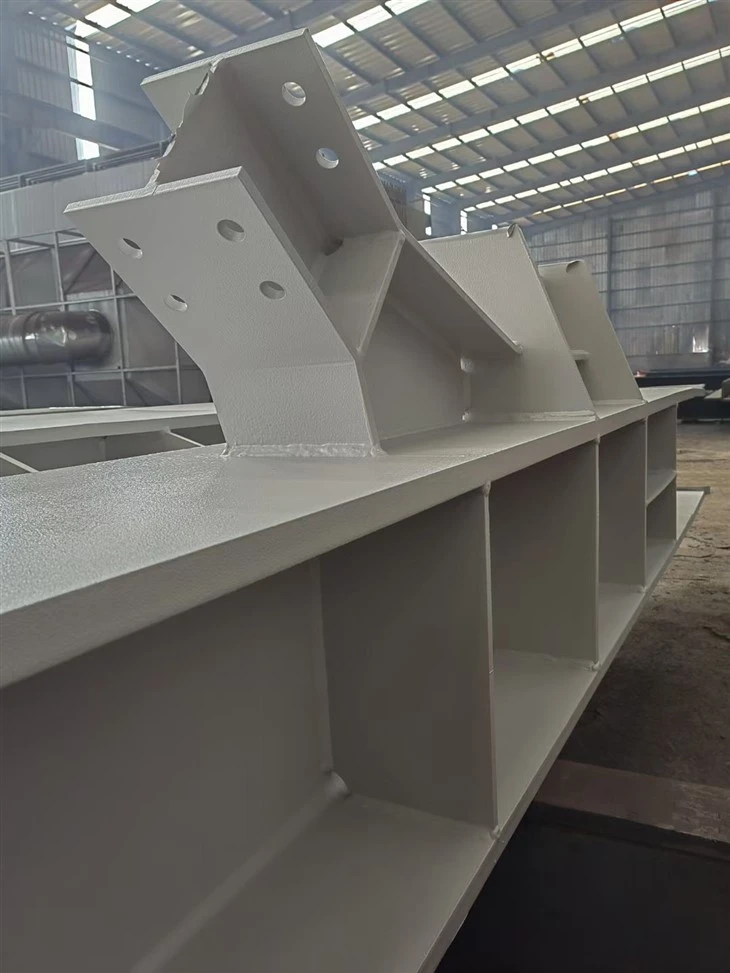
The construction materials and methods used also play a huge role. Buildings made of fire - resistant materials like concrete and steel are generally considered less risky. Steel construction is not only strong but also has a high resistance to fire, which can significantly reduce the risk of major damage in case of a fire. You can learn more about Steel Construction Factory and the benefits of using steel in multi - storey construction.
Another factor is the building's age and condition. Older buildings may have outdated electrical systems, plumbing, or structural components that increase the risk of problems. Insurance companies may require a building inspection before providing coverage. If the building has a lot of wear and tear or if there are known structural issues, the insurance company may either charge a higher premium or require the owner to make repairs before they'll offer insurance.
The occupancy of the building is also crucial. A residential multi - storey building will have different insurance needs compared to a commercial one. Commercial buildings often house businesses with high - value equipment and inventory, which means they may need more comprehensive coverage. For example, a multi - storey office building with tech startups will need insurance that covers not only the physical structure but also the data stored on the company's servers.

When it comes to getting insurance for your multi - storey building, it's a good idea to shop around. Different insurance companies offer different rates and coverage options. You can get quotes from multiple insurers and compare them. Make sure to read the fine print carefully. Some policies may have exclusions or limitations that you need to be aware of.
As a multi - storey building supplier, I've worked with many clients who are looking for the best insurance options. I've seen how proper insurance can give building owners peace of mind. Whether you're building a new multi - storey structure or looking to insure an existing one, it's essential to understand the insurance process.
If you're interested in high - quality steel construction for your multi - storey building, check out steel construction fabrication. Steel offers many advantages in terms of strength, durability, and fire resistance, which can also have a positive impact on your insurance premiums.
Steel Fabrication is another great option for multi - storey buildings. It allows for more precise construction and can result in a more cost - effective and efficient building process.
In conclusion, insuring multi - storey buildings is a complex but necessary process. By understanding the different types of coverage, the factors that affect insurance rates, and shopping around for the best policy, you can protect your investment. If you're in the market for a multi - storey building or need help with the construction process, don't hesitate to reach out. I'm here to assist you every step of the way, from choosing the right construction materials to finding the best insurance for your building.
If you're interested in discussing your multi - storey building project or have questions about insurance, feel free to start a conversation. Let's work together to make your building project a success.
References
- Insurance Industry Reports
- Construction Industry Journals
- Interviews with Insurance Agents