

How do you design a building for noise reduction?
Hey there! As a supplier in the building industry, I've had my fair share of experiences when it comes to designing buildings for noise reduction. It's a crucial aspect that can significantly impact the comfort and functionality of a space. In this blog, I'll share some insights on how to design a building to keep those unwanted noises at bay.
Understanding the Sources of Noise
Before we dive into the design strategies, it's important to understand where the noise is coming from. There are two main types of noise: airborne and impact. Airborne noise travels through the air, like voices, traffic, or music. Impact noise, on the other hand, is caused by physical contact, such as footsteps or moving furniture.
Identifying the sources of noise in and around the building site is the first step. For example, if the building is located near a busy road, traffic noise will be a major concern. If it's an office building, internal noise from equipment and people can be disruptive.
Site Selection and Layout
The location and layout of the building play a big role in noise reduction. When choosing a site, try to avoid areas with high noise levels, such as near airports, railways, or industrial zones. If that's not possible, you can use natural barriers like hills, trees, or existing buildings to block the noise.
The layout of the building can also be designed to minimize noise. For instance, place noisy areas like mechanical rooms, kitchens, or loading docks away from quiet areas like bedrooms, offices, or libraries. You can also create buffer zones between noisy and quiet areas, such as using corridors or storage rooms.
Building Envelope Design
The building envelope is the physical barrier between the interior and exterior of the building. It includes the walls, roof, floors, windows, and doors. Designing a good building envelope is essential for noise reduction.
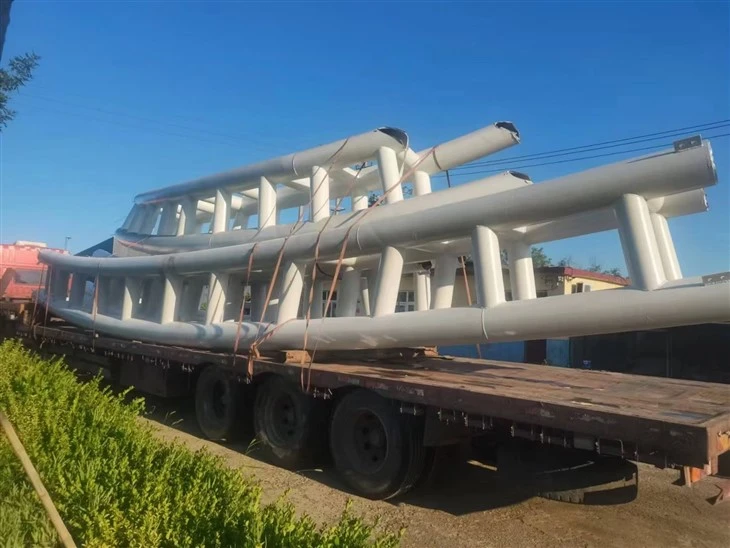
Walls: Use materials with high sound insulation properties for the walls. For example, double - wall construction with an air gap in between can significantly reduce noise transmission. Insulating materials like fiberglass, mineral wool, or cellulose can also be added to the wall cavities. You can check out Steel Beam Connections for some great options on building structures that can enhance wall stability and potentially improve noise insulation.
Roof: A well - insulated roof can block out external noise. Flat roofs can be insulated with rigid foam insulation, while pitched roofs can use batt insulation. Make sure there are no gaps or leaks in the roof, as these can allow noise to enter the building.
Floors: Floors can transmit impact noise, especially in multi - story buildings. Using floating floors with a resilient underlayment can help reduce the transmission of footsteps and other impact noises. For example, a carpet with a thick padding can absorb a lot of the impact noise.
Windows and Doors: These are often weak points in the building envelope for noise. Choose windows and doors with good sound - proofing capabilities. Double - or triple - glazed windows with an air or gas fill can provide better insulation than single - glazed windows. Sealing the gaps around windows and doors with weatherstripping and caulking is also important to prevent noise leakage.
Interior Design and Finishes
The interior design and finishes of the building can also contribute to noise reduction.
Furniture and Decor: Soft furniture, such as sofas, armchairs, and curtains, can absorb sound. Hanging tapestries, wall art, or acoustic panels on the walls can also help reduce noise reflections.
Ceilings: Suspended ceilings with acoustic tiles can absorb sound and reduce reverberation in a room. These tiles are available in different designs and textures, and they can be customized to fit the aesthetic of the space.
Mechanical and Electrical Systems
Mechanical and electrical systems in a building can be a source of noise. The HVAC (heating, ventilation, and air - conditioning) system, in particular, can generate a lot of noise if not properly designed.
When designing the HVAC system, choose equipment with low noise levels. Place the equipment in a well - insulated mechanical room and use flexible ductwork to reduce the transmission of noise through the ducts. Regular maintenance of the HVAC system is also important to ensure it operates quietly.
The electrical systems, such as transformers and generators, should also be located away from occupied areas and properly insulated to prevent noise leakage.

Acoustic Design
Acoustic design is all about controlling the sound within a space. It involves calculating the reverberation time, sound absorption, and sound diffusion in a room.
Reverberation time is the time it takes for sound to decay in a room. In a room with a long reverberation time, sounds can echo and become distorted, making it difficult to communicate. By using acoustic materials and proper room design, you can control the reverberation time.
Sound absorption materials, as mentioned earlier, can be used to reduce the amount of sound reflecting off the walls, ceiling, and floors. Sound diffusion can be achieved by using irregularly shaped surfaces or diffusers, which scatter the sound waves and create a more even sound distribution in the room.
Working with a steel fabrication company
If you're considering a steel - based building, working with a reliable steel fabrication company is crucial. They can help you design and fabricate steel structures that are not only strong but also contribute to noise reduction. For example, they can use advanced welding techniques to ensure a tight and stable structure, which can prevent noise from seeping through joints. You can also benefit from their expertise in choosing the right steel materials with appropriate thickness and composition for better sound insulation.
Welding Services for Noise - Resistant Buildings
When it comes to constructing a building for noise reduction, proper welding is essential. Welding Services can ensure that the steel components are joined together securely. A well - welded structure reduces the chances of rattling or vibrating, which can create noise. Professional welders can use techniques like TIG (Tungsten Inert Gas) welding or MIG (Metal Inert Gas) welding to create strong and quiet joints.
Conclusion
Designing a building for noise reduction is a complex but achievable task. By considering factors like site selection, building envelope design, interior finishes, mechanical systems, and acoustic design, you can create a comfortable and quiet environment. Whether you're building a residential home, an office building, or a commercial space, these strategies can make a big difference.
If you're interested in building a noise - resistant building and need high - quality building materials and professional services, we're here to help. Our team of experts can work with you to design and construct a building that meets your noise reduction needs. Just reach out to us, and we'll start the procurement and洽谈 process to bring your project to life.
References
- Beranek, Leo L. Noise and Vibration Control. McGraw - Hill, 1971.
- Cyril M. Harris, ed. Handbook of Noise Control. McGraw - Hill, 1991.
- Kinsler, Lawrence E., et al. Fundamentals of Acoustics. Wiley, 2000.