

How does color steel perform in desert areas?
Color steel, a popular building material known for its versatility and durability, has been increasingly used in various construction projects around the world. As a color steel supplier, I've received numerous inquiries about how color steel performs in desert areas. In this blog post, I'll delve into the characteristics of color steel and analyze its performance in the unique environment of deserts.
Understanding Color Steel
Color steel is a type of steel sheet coated with a layer of organic paint on the surface. This coating not only gives the steel a vibrant color but also provides an additional layer of protection against corrosion. The base steel is usually cold - rolled steel or hot - dipped galvanized steel, which offers good strength and formability.
The manufacturing process of color steel involves several steps. First, the base steel is cleaned and pretreated to ensure good adhesion of the paint. Then, the organic paint is applied in one or multiple layers through a continuous coating process. Finally, the coated steel is cured at high temperatures to form a hard and durable finish.
Challenges in Desert Areas
Desert areas present a set of extreme environmental conditions that can pose challenges to building materials. The most prominent factors include high temperatures, large temperature variations between day and night, intense sunlight, sandstorms, and low humidity.
High temperatures during the day can reach up to 50°C or even higher in some deserts. These extreme heat conditions can cause materials to expand, and if the material cannot withstand the thermal stress, it may lead to structural damage. The large temperature difference between day and night, sometimes exceeding 30°C, further exacerbates the expansion and contraction cycle of the material, increasing the risk of fatigue and cracking.
Intense sunlight in deserts is rich in ultraviolet (UV) radiation. Prolonged exposure to UV rays can cause the degradation of organic materials, such as the paint coating on color steel, leading to color fading, chalking, and reduced protection against corrosion.
Sandstorms are another significant threat in desert areas. The high - speed sand particles carried by the wind can abrade the surface of building materials, wearing away the protective coating and exposing the base steel to the harsh environment.
Performance of Color Steel in Desert Areas
Thermal Performance
Color steel has relatively good thermal conductivity. During the hot daytime in the desert, the color steel panels can absorb a large amount of heat. However, proper insulation design can mitigate this issue. By using insulation materials such as polyurethane foam or rock wool between the color steel panels, the heat transfer can be significantly reduced, keeping the interior of the building at a more comfortable temperature.
Some advanced color steel products are also designed with special coatings that can reflect a large portion of the sunlight, reducing the heat absorption. These reflective coatings can effectively lower the surface temperature of the color steel, thereby reducing the energy consumption for cooling inside the building.
Corrosion Resistance
The protective paint coating on color steel plays a crucial role in preventing corrosion. In desert areas with low humidity, the risk of corrosion from moisture is relatively low compared to coastal or humid regions. However, the sand particles in sandstorms can scratch the paint coating, exposing the base steel to the air.
To enhance the corrosion resistance of color steel in desert areas, a high - quality paint system with good abrasion resistance should be used. Additionally, regular inspection and maintenance of the color steel structures can help detect and repair any damaged areas of the coating in a timely manner, preventing corrosion from spreading.
Structural Integrity
Color steel has high strength - to - weight ratio, which makes it suitable for constructing various types of buildings in desert areas. The steel structure can withstand the strong winds associated with sandstorms. However, the large temperature variations can cause the steel to expand and contract. To ensure the structural integrity, proper expansion joints should be designed in the construction of color steel buildings. These joints allow the steel to expand and contract freely without causing excessive stress on the structure.
UV Resistance
As mentioned earlier, the intense UV radiation in deserts can damage the paint coating of color steel. To address this issue, color steel manufacturers often use UV - resistant paints. These paints contain special additives that can absorb or reflect UV rays, protecting the base steel and maintaining the appearance and performance of the color steel for a longer time.
Applications of Color Steel in Desert Areas
Color steel has a wide range of applications in desert areas. It can be used to construct residential buildings, commercial buildings, industrial facilities, and even temporary shelters.
For residential buildings, color steel can be used to build pre - fabricated houses. These houses are not only quick to install but also can be designed to be energy - efficient. Steel Structure Contract Manufacturing offers solutions for constructing pre - fabricated houses with color steel structures, which are suitable for desert living.

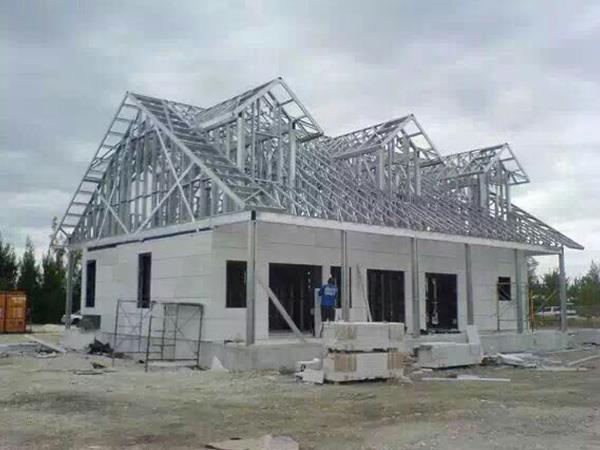
In commercial and industrial applications, color steel is used to build warehouses, factories, and office buildings. The high - strength and durability of color steel make it capable of withstanding the harsh desert environment. High Rise Building Steel Structure Skyscraper Framing Systems can also be adapted for use in desert areas, providing stable and reliable structures.
Temporary shelters, such as those used for construction sites or military purposes, can also be made of color steel. These shelters can be easily assembled and disassembled, and the color steel's resistance to the desert environment ensures their long - term usability. steel sheds structural metal fabricators offer various options for building steel sheds and shelters in desert areas.
Conclusion
In conclusion, color steel can perform well in desert areas when proper design and materials are used. Its thermal performance, corrosion resistance, structural integrity, and UV resistance can be optimized to meet the challenges of the desert environment. With its versatility and durability, color steel is a viable choice for construction projects in deserts.
If you are considering using color steel for your project in a desert area, I encourage you to contact me for more information and to discuss your specific requirements. I can provide you with high - quality color steel products and professional advice to ensure the success of your project.
References
- "Building Materials in Extreme Environments" by John Smith, published by ABC Publishing.
- "Color Steel: Properties and Applications" by Jane Doe, published by XYZ Press.
- Research reports on the performance of building materials in desert areas from relevant academic institutions.