

How long does a steel sheet last?
As a seasoned steel sheet supplier, I often encounter a common question from clients: "How long does a steel sheet last?" This seemingly simple inquiry is multifaceted, influenced by a variety of factors. In this blog post, I'll delve into the key determinants of a steel sheet's lifespan and offer insights based on my industry experience.
Understanding Steel Sheet Longevity
The lifespan of a steel sheet is not set in stone. It can range from a few decades to over a century, depending on several critical factors.
1. Steel Composition
One of the most significant factors affecting the longevity of a steel sheet is its composition. Different alloys are used to create steel sheets, each with unique properties. For example, stainless steel contains chromium, which forms a protective oxide layer on the surface. This layer acts as a barrier, preventing corrosion from reaching the underlying metal. As a result, stainless steel sheets can last for a very long time, often over 100 years in the right conditions.
On the other hand, carbon steel, while strong and cost - effective, is more prone to rust if not properly protected. Without adequate coating or treatment, carbon steel sheets may start to show signs of corrosion within a few years, especially in harsh environments.
2. Environmental Conditions
The environment in which a steel sheet is installed plays a crucial role in determining its lifespan. Harsh environmental conditions can accelerate the deterioration of steel.
- Moisture and Humidity: Moisture is the enemy of steel. In areas with high humidity, steel sheets are at a greater risk of rusting. Coastal regions, for instance, have a high salt content in the air, which can corrode steel at a much faster rate. Even in non - coastal areas, high humidity can cause condensation on the steel surface, leading to the formation of rust over time.
- Chemical Exposure: Steel sheets exposed to chemicals, such as acids or alkalis, will degrade more quickly. Industrial areas where there are emissions of pollutants are particularly challenging for steel. If a steel sheet is used in a chemical manufacturing plant, it may need to be replaced within 10 - 20 years, depending on the level of exposure.
- Temperature Variations: Extreme temperature changes can cause stress in the steel. Repeated expansion and contraction can lead to cracks and structural weaknesses. In regions with large temperature swings, such as deserts where it can be scorching hot during the day and freezing at night, the steel's lifespan may be reduced.
3. Coating and Treatment
Applying coatings and treatments to steel sheets can significantly extend their lifespan.
- Galvanization: Galvanized steel sheets are coated with a layer of zinc. Zinc acts as a sacrificial anode, corroding before the steel. This process can protect the steel for decades. In rural or non - corrosive environments, galvanized steel sheets can last 30 - 50 years or more.
- Paint Coatings: A high - quality paint coating can also provide a protective barrier against moisture and corrosion. However, the effectiveness of paint depends on its quality and application. If the paint is not properly applied or if it starts to chip, it may not offer long - term protection.
4. Usage and Maintenance
The way a steel sheet is used and maintained also impacts its lifespan.
- Load and Stress: If a steel sheet is subjected to excessive load or stress, it may deform or crack. For example, in a steel sheds structural metal fabricators, if the steel roof is loaded with heavy snow or equipment, it may cause structural damage. Regular inspections can help identify such issues early.
- Regular Maintenance: Regular maintenance, such as cleaning the steel surface to remove dirt and debris, can prevent the accumulation of moisture - retaining materials. Inspecting for signs of corrosion and applying touch - up coatings when necessary can significantly extend the life of the steel sheet.
Real - World Examples
To illustrate the impact of these factors on the lifespan of steel sheets, let's consider a few real - world scenarios.
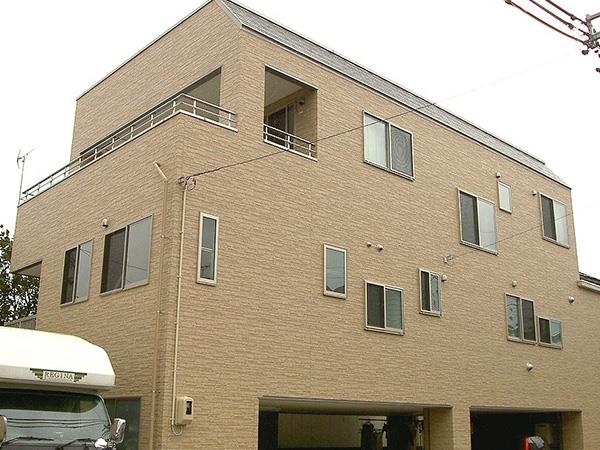
Residential Construction
In a typical residential building, steel sheets are often used for roofing. If galvanized steel is used, and the house is located in a mild climate with low humidity, the roof can last 30 - 50 years. However, if the same roof is installed in a coastal area without proper maintenance, the steel may start to rust within 15 - 20 years.
Industrial Buildings
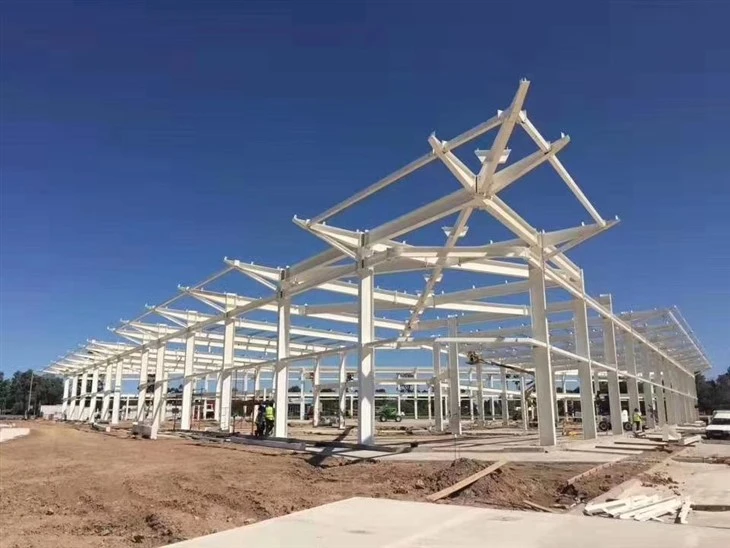
In industrial settings, steel sheets are used for various purposes, including building structures and storage facilities. For High Rise Building Steel Structure Skyscraper Framing Systems, high - strength steel with advanced coatings is typically used. These steel structures can last for over 50 years, provided they are properly designed to withstand the loads and environmental conditions. In a chemical plant, where steel is exposed to corrosive chemicals, special coatings and more frequent inspections are necessary to ensure the steel's longevity, and the structures may need replacement every 10 - 20 years.
Steel Framing Systems in Modular Buildings
Steel framing systems in modular buildings have become increasingly popular due to their strength and durability. When the steel is of high quality and protected with appropriate coatings, these framing systems can last for several decades. However, if the modular building is moved frequently or exposed to harsh handling during installation, it may affect the integrity of the steel and reduce its lifespan.
Maximizing the Lifespan of Steel Sheets
As a steel sheet supplier, I'm committed to helping my clients get the most out of their steel products. Here are some tips to maximize the lifespan of steel sheets:
- Choose the Right Steel: Select the appropriate steel composition based on the intended use and environmental conditions. For example, if the steel will be used in a corrosive environment, stainless steel or galvanized steel may be the best choice.
- Apply Quality Coatings: Ensure that the steel sheets are coated with high - quality coatings. Whether it's galvanization or paint, proper application is essential.
- Regular Inspections: Conduct regular inspections to check for signs of corrosion, damage, or stress. Early detection can prevent small issues from becoming major problems.
- Proper Installation: Make sure the steel sheets are installed correctly. Improper installation can lead to stress concentrations and premature failure.
- Maintenance Schedule: Establish a maintenance schedule, including cleaning, touch - up painting, and minor repairs as needed.
Conclusion
In conclusion, the lifespan of a steel sheet can vary widely depending on its composition, environmental conditions, coatings, usage, and maintenance. With the right choices and proper care, steel sheets can last for many decades, providing a reliable and cost - effective solution for a wide range of applications.
If you're considering purchasing steel sheets for your project, I'm here to assist you. Whether you need advice on the best type of steel for your specific needs or want to discuss long - term maintenance strategies, I'm happy to share my expertise. Reach out to me to start a conversation about your steel sheet requirements and together we can find the best solutions for your project.
References
- ASM International. "Steel Metallurgy Basics." Handbook of Ferrous Materials.
- ASTM International. "Standards for Steel and Steel Products." ASTM Website.
- "Corrosion of Steel in Structures: Prevention, Diagnosis, Repair." Edited by Pierre - Yves Oudot.