

How to cut steel panels with a plasma cutter?
Hey there! I'm a supplier of steel panels, and I've been in this business for quite a while. One of the most common questions I get from customers is how to cut steel panels with a plasma cutter. So, I thought I'd share some tips and tricks based on my experience.
First off, let's talk about what a plasma cutter is. A plasma cutter is a tool that uses a high - velocity jet of ionized gas (plasma) to cut through electrically conductive materials, like steel. It's a really efficient way to cut steel panels, especially if you need to make precise cuts or work with thicker materials.
Getting Ready
Before you start cutting, you need to get everything set up properly.
Safety First: Safety is super important when using a plasma cutter. You should wear safety goggles to protect your eyes from the intense light and flying sparks. Gloves are also a must to protect your hands from heat and sharp edges. And don't forget a welding apron to shield your body.
Choose the Right Plasma Cutter: There are different types and sizes of plasma cutters available. The one you choose depends on the thickness of the steel panels you're working with. For thinner steel panels (less than 1/4 inch), a smaller, less powerful plasma cutter might be enough. But if you're cutting thicker panels, you'll need a more heavy - duty one.
Prepare the Steel Panel: Make sure the steel panel is clean and free of any dirt, rust, or paint. These can interfere with the cutting process. You can use a wire brush or sandpaper to clean the surface. Also, secure the panel firmly so that it doesn't move while you're cutting. You can use clamps or a vise to hold it in place.
Setting Up the Plasma Cutter
Once you've got your safety gear on and the panel ready, it's time to set up the plasma cutter.
Connect the Power: Plug the plasma cutter into a suitable power source. Make sure the power supply can handle the electrical requirements of the cutter. Check the user manual for the specific power ratings.
Fill the Gas: Most plasma cutters use compressed air or a specific gas mixture. If your cutter uses compressed air, connect it to an air compressor. If it uses a gas mixture, fill the gas tank according to the manufacturer's instructions.
Adjust the Settings: The settings on your plasma cutter are crucial for a good cut. You'll need to adjust the amperage based on the thickness of the steel panel. Thicker panels require higher amperage. You can usually find a chart in the user manual that tells you the appropriate amperage for different panel thicknesses. Also, set the cutting speed. A too - slow speed can cause the cut to be rough and might even melt the steel around the cut. A too - fast speed can result in an incomplete cut.
Making the Cut
Now that everything is set up, it's time to start cutting.
Mark the Cut Line: Use a marker or a scribe to mark the line where you want to cut the steel panel. This will help you stay on track.
Start the Plasma Arc: Press the trigger on the plasma cutter's torch to start the plasma arc. Hold the torch perpendicular to the steel panel at a distance of about 1/8 to 1/4 inch. This distance can vary depending on the cutter and the thickness of the panel, so refer to the manual.
Move the Torch Slowly and Steadily: As you start cutting, move the torch along the marked line at a consistent speed. Keep your hand steady to ensure a straight and clean cut. If you need to make a curved cut, take your time and follow the curve carefully.
Finish the Cut: Once you've reached the end of the cut line, release the trigger on the torch to stop the plasma arc. Let the panel cool down for a while before handling it.
Troubleshooting
Sometimes, things might not go as smoothly as planned. Here are some common problems and how to fix them.
Rough Cuts: If the cut is rough, it could be because the cutting speed is too slow or the amperage is too high. Try increasing the cutting speed or reducing the amperage.
Incomplete Cuts: An incomplete cut might be due to a cutting speed that's too fast or an amperage that's too low. Slow down the cutting speed or increase the amperage.
Excessive Dross: Dross is the molten metal that sticks to the bottom of the cut. If there's too much dross, it could be because the torch is too far from the panel or the cutting speed is incorrect. Adjust the torch distance and speed accordingly.
Applications of Cut Steel Panels
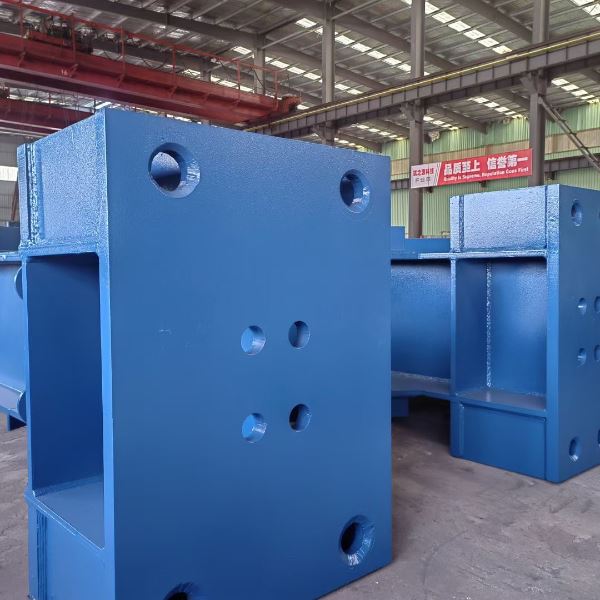
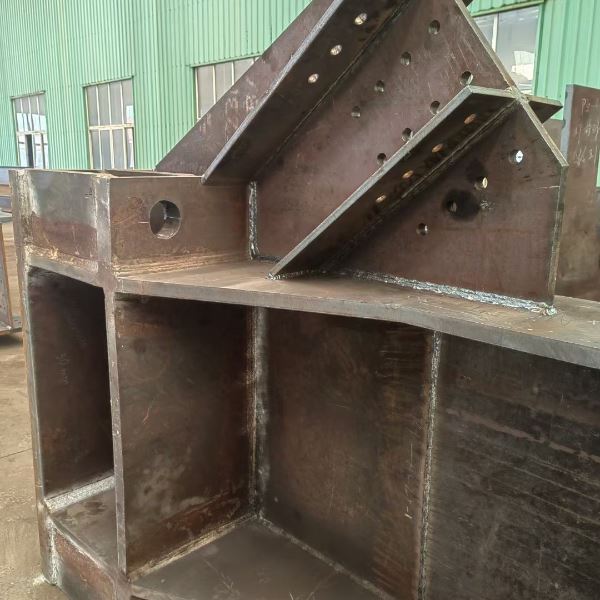
Cut steel panels have a wide range of applications. They can be used in Steel Structure Contract Manufacturing. For example, in the construction of pre - fabricated houses, cut steel panels can form the structural framework. They are also used in High Rise Building Steel Structure Skyscraper Framing Systems. In high - rise buildings, these panels provide the strength and stability needed to support the weight of the building. And don't forget about steel sheds structural metal fabricators. Cut steel panels are perfect for building steel sheds, as they can be easily assembled and customized.
Why Choose Our Steel Panels
As a steel panel supplier, I can tell you that our steel panels are of the highest quality. We source the best raw materials and use advanced manufacturing techniques to ensure that our panels are strong, durable, and easy to work with. Whether you're a professional contractor or a DIY enthusiast, our steel panels will meet your needs.
If you're interested in purchasing our steel panels for your next project, don't hesitate to reach out. We can offer you competitive prices and excellent customer service. Just get in touch, and we can start discussing your requirements and how we can help you achieve your goals.
References
- Welding and Cutting Handbook, published by a leading industry association.
- Plasma Cutter User Manuals from major manufacturers.