

How to design a hen house for easy access?
Hey there! As a hen house supplier, I've seen firsthand the importance of designing a hen house that's easy to access. Whether you're a small - scale backyard chicken keeper or running a large - scale poultry farm, having a well - designed hen house can make your life a whole lot easier. In this blog, I'm gonna share some tips on how to design a hen house for easy access.
Location and Layout
First things first, the location of your hen house matters a great deal. You want to place it in an area that's easily reachable from your main living or working area. If it's too far away, it'll be a hassle to get to it every day for tasks like feeding, collecting eggs, and cleaning.
When it comes to the layout, keep it simple. A rectangular or square - shaped hen house is usually the easiest to work with. You can divide the interior into different sections for roosting, nesting, and feeding. Make sure there's enough space for you to move around inside without bumping into things. A clear aisle down the middle of the hen house can be really helpful. This way, you can quickly access all parts of the house.
Entrances and Exits
The entrances and exits of the hen house are crucial for easy access. You need at least one large door that's wide enough for you to walk through comfortably while carrying things like feed bags or egg baskets. The door should open outwards to avoid blocking the interior space. Also, consider adding a small door at ground level for the chickens to go in and out. This can be controlled with a simple latch or an automatic door opener if you want to let the chickens out at a specific time each day.

If you're building a multi - level hen house, install ramps or stairs that are easy to climb. Make sure they're wide enough and have a non - slip surface to prevent accidents. For example, you can use wooden planks with some sandpaper on them to increase friction.
Nesting Boxes
Nesting boxes are where the hens lay their eggs, and you'll need to access them regularly to collect the eggs. Place the nesting boxes at a convenient height, usually around waist - level. This way, you don't have to bend down too far or stretch up high. You can also design the nesting boxes with a removable front panel. This makes it easy to clean out the bedding and check for any broken eggs or pests.
When it comes to the number of nesting boxes, a good rule of thumb is to have one nesting box for every 3 - 4 hens. This ensures that the hens have enough space to lay their eggs comfortably.
Roosting Bars
Roosting bars are where the hens sleep at night. They should be placed at a height that's easy for the chickens to reach but also allows you to clean underneath them easily. You can use wooden or metal bars, but make sure they're smooth to prevent the chickens' feet from getting injured.
To clean the area under the roosting bars, you can install a removable tray. This tray can catch the chicken droppings, and you can simply slide it out, empty it, and clean it regularly.
Feeding and Watering Systems
For easy access to the feeding and watering systems, consider using hanging feeders and waterers. This way, you can refill them from outside the hen house without having to go inside. You can attach the feeders and waterers to the side of the hen house at a height that's easy for you to reach.
Another option is to use a gravity - fed system. These systems can be connected to a large feed or water container outside the hen house. As the chickens eat or drink, more feed or water will automatically flow into the troughs. This reduces the frequency of refilling and makes the whole process more convenient.
Ventilation and Lighting
Good ventilation and lighting are important for the health of the chickens, but they also affect your access to the hen house. Make sure there are enough vents in the hen house to keep the air fresh. You can design the vents in a way that they're easy to open and close for cleaning and maintenance.
When it comes to lighting, install lights at strategic locations inside the hen house. You can use motion - activated lights so that they turn on when you enter the house. This way, you can see clearly what you're doing without having to fumble around for a light switch.
Using the Right Materials
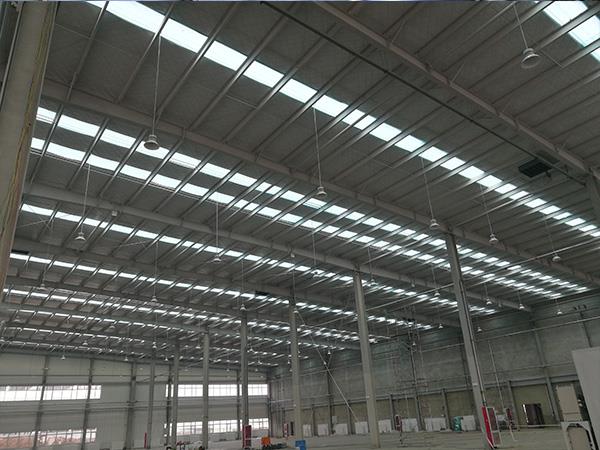
The materials you choose for your hen house can also impact its accessibility. For example, if you're looking for a strong and durable structure, you might consider a Light Steel Structure Dome Space Frame Shed. These types of structures are not only sturdy but can also be designed with large openings for easy access.
Working with a steelwork company can ensure that your hen house is built to the highest standards. They can help you customize the design to meet your specific access needs.
If you're in the market for a pre - constructed option, a Pre - Construction Steel Frame Workshop China Heavy Industry Steel Structure Building could be a great choice. These buildings are often modular and can be easily assembled on - site, saving you time and effort.
Maintenance and Upkeep
Finally, a well - designed hen house should be easy to maintain. Regular cleaning is essential to keep the chickens healthy. Make sure all parts of the hen house are accessible for cleaning, such as the corners, the walls, and the floors. You can use a power washer or a hose to clean the interior, so having easy access to water sources is also important.
If you need to make any repairs or upgrades to the hen house, having a design that allows for easy access to all components will make the job much quicker and easier.
In conclusion, designing a hen house for easy access involves careful planning of the location, layout, entrances, and all the internal components. By following these tips, you can create a hen house that not only provides a comfortable home for your chickens but also makes your daily tasks a breeze.
If you're interested in purchasing a hen house or need more advice on designing one, don't hesitate to reach out. We're here to help you create the perfect hen house for your needs.
References
- "The Chicken Encyclopedia" by Gail Damerow
- "Storey's Guide to Raising Chickens" by Carol Ekarius