

How to ensure the stability of a steel frame?
As a steel frame supplier, ensuring the stability of steel frames is not only a technical challenge but also a crucial responsibility. In the following blog, I will share some key factors and methods to guarantee the stability of steel frames, drawing on my experiences in the industry.
Material Selection and Quality Control
The foundation of a stable steel frame lies in the quality of the materials used. High - strength steel is often the preferred choice due to its excellent mechanical properties. When selecting steel, we need to pay attention to its yield strength, ultimate strength, and elongation. These parameters determine the ability of the steel to withstand loads without excessive deformation or failure.
For example, in the construction of large - scale structures like Railway Station Steel Structure Roof Truss Space Frame, the steel needs to have high strength to support the large span and heavy loads. We source our steel from reliable suppliers and conduct strict quality inspections. This includes checking for surface defects, internal cracks, and chemical composition analysis. By ensuring the quality of the raw materials, we lay a solid foundation for the stability of the steel frame.
Structural Design
Proper structural design is essential for the stability of a steel frame. A well - designed frame can distribute loads evenly and resist various forces, such as wind, earthquake, and gravity.
Load Analysis
Before designing a steel frame, a comprehensive load analysis is necessary. We need to consider both dead loads (the weight of the structure itself) and live loads (such as people, equipment, and wind loads). For instance, in the case of a Pedestrian Bridge, the live load mainly comes from the pedestrians. By accurately calculating these loads, we can determine the appropriate size and shape of the steel members.
Structural Configuration
The configuration of the steel frame also affects its stability. Triangular structures are commonly used in steel frame design because they are inherently stable. They can effectively transfer forces along the members and prevent excessive deformation. In addition, the arrangement of columns and beams should be optimized to ensure that the frame can resist lateral forces. For example, in high - rise buildings, a braced frame or a moment - resisting frame system may be adopted to enhance the lateral stability of the structure.
Connection Design
The connections between steel members are critical for the overall stability of the frame. There are several types of connections, including welded connections, bolted connections, and riveted connections.
Welded Connections
Welded connections provide a strong and rigid connection between steel members. They can transfer large loads and moments. However, the quality of the welds is crucial. Poorly welded joints can lead to stress concentrations and reduce the stability of the frame. We use advanced welding techniques and strict quality control measures to ensure the integrity of the welded connections.
Bolted Connections
Bolted connections are more flexible and easier to install. They allow for some degree of movement between the members, which can be beneficial in seismic - prone areas. However, the bolts need to be tightened to the correct torque to ensure a reliable connection. We use torque wrenches to ensure that the bolts are tightened to the specified values.
Construction and Installation
Even with high - quality materials and a well - designed structure, improper construction and installation can undermine the stability of the steel frame.
Assembly Accuracy
During the assembly process, the steel members need to be installed with high accuracy. The alignment of columns and beams should be within the specified tolerance range. Any misalignment can lead to uneven load distribution and stress concentrations. We use laser alignment systems and other precision measurement tools to ensure the accurate installation of the members.
Temporary Support
Temporary support is often required during the construction of the steel frame. It helps to maintain the stability of the structure until the entire frame is fully assembled and connected. The temporary support should be designed to withstand the loads during the construction process and removed at the appropriate time.
Inspection and Maintenance
Regular inspection and maintenance are necessary to ensure the long - term stability of the steel frame.
Visual Inspection
Visual inspection is the most basic form of inspection. It can detect surface defects, such as corrosion, cracks, and deformation. We conduct regular visual inspections to identify any potential problems early.
Non - Destructive Testing
Non - destructive testing methods, such as ultrasonic testing, magnetic particle testing, and radiographic testing, can be used to detect internal defects in the steel members and connections. These tests can provide more detailed information about the integrity of the structure.
Maintenance
If any defects are found during the inspection, appropriate maintenance measures should be taken immediately. This may include repairing cracks, repainting to prevent corrosion, and tightening loose bolts.

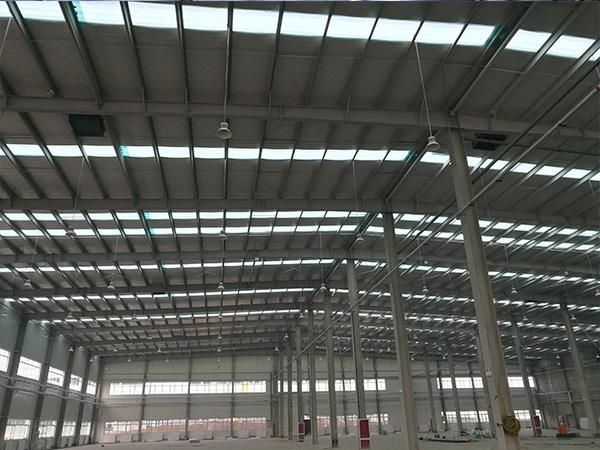
In conclusion, ensuring the stability of a steel frame requires a comprehensive approach that includes material selection, structural design, connection design, construction and installation, and inspection and maintenance. As a steel frame supplier, we are committed to providing high - quality steel frames that meet the highest standards of stability and safety.
If you are interested in our steel frame products or have any questions about the stability of steel frames, please feel free to contact us for further discussion and procurement negotiation.
References
- "Steel Construction Manual" by American Institute of Steel Construction
- "Structural Steel Design" by McCormac, Jack C.
- "Design of Steel Structures" by Subramanian, N.