

How to install steel plates in a structure?
Hey there! I'm a supplier of steel plates, and I've been in this game for quite a while. Over the years, I've seen all sorts of projects where steel plates are used, from small DIY stuff to massive commercial buildings. Today, I wanna share with you how to install steel plates in a structure.
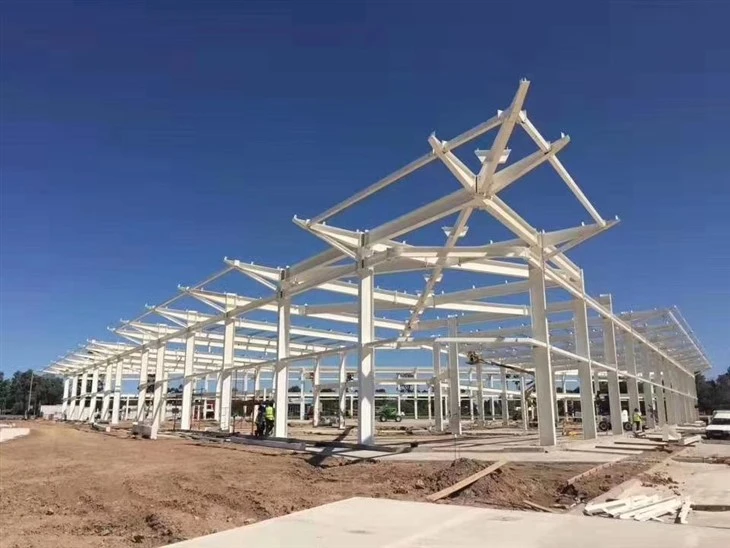
First off, let's talk about why steel plates are so awesome. Steel plates are super strong and durable. They can handle a ton of weight and stress, which makes them perfect for all kinds of construction projects. Whether you're building a Steel framing systems, a steel shed buildings, or a High Rise Building Steel Structure Skyscraper Framing Systems, steel plates are a great choice.
Preparation
Before you start installing steel plates, you need to do some prep work. This is super important because it'll make the whole installation process go a lot smoother.
Design and Planning
The first step is to have a clear design and plan for your project. You need to know exactly where the steel plates will go and how they'll be connected. This means working with an engineer or an architect to make sure everything is up to code and will work properly. They'll help you figure out the right size and thickness of the steel plates you need.
Measuring and Marking
Once you have your design, it's time to measure and mark the areas where the steel plates will be installed. Use a tape measure and a chalk line to get accurate measurements and make clear marks. Double-check your measurements to avoid any mistakes.
Surface Preparation
The surface where the steel plates will be installed needs to be clean and smooth. Remove any dirt, debris, or rust from the surface. You can use a wire brush or a grinder to clean the surface. If the surface is uneven, you may need to use a leveling compound to make it flat.
Gathering Tools and Materials
You'll need a few tools and materials to install steel plates. Here are some of the things you'll need:
- Welding equipment (if you're welding the plates)
- Bolts and nuts (if you're using bolts to connect the plates)
- Drill and drill bits
- Measuring tools
- Safety gear (gloves, goggles, etc.)
Installation Methods
There are a few different ways to install steel plates, and the method you choose will depend on your project and the type of structure you're working on.
Welding
Welding is one of the most common ways to install steel plates. It creates a strong and permanent connection between the plates. Here's how you do it:
- Position the Plates: Place the steel plates in the correct position and align them properly. Use clamps to hold the plates in place while you're welding.
- Weld the Edges: Start by welding the edges of the plates together. Use a welding machine and the appropriate welding rod for the type of steel you're using. Make sure to follow the welding instructions carefully and wear the proper safety gear.
- Fill the Welds: After welding the edges, you may need to fill the welds to make them stronger. Use a welding filler rod to fill any gaps or holes in the welds.
- Inspect the Welds: Once you're done welding, inspect the welds to make sure they're strong and free of defects. You can use a visual inspection or a non-destructive testing method to check the quality of the welds.
Bolting
Bolting is another option for installing steel plates. It's a quicker and easier method than welding, but it may not be as strong. Here's how you do it:
- Drill Holes: Use a drill and drill bits to drill holes in the steel plates and the structure where the plates will be installed. Make sure the holes are the right size and spacing for the bolts you're using.
- Insert Bolts: Insert the bolts through the holes in the plates and the structure. Use a wrench to tighten the nuts on the bolts. Make sure the bolts are tightened evenly to avoid any stress on the plates.
- Check the Tightness: After tightening the bolts, check the tightness to make sure they're secure. You can use a torque wrench to measure the tightness of the bolts.
Adhesive Bonding
Adhesive bonding is a less common method of installing steel plates, but it can be a good option in some cases. It's a quick and easy method that doesn't require any welding or drilling. Here's how you do it:
- Clean the Surfaces: Clean the surfaces of the steel plates and the structure where the plates will be installed. Make sure the surfaces are free of dirt, oil, and other contaminants.
- Apply the Adhesive: Apply the adhesive to the surfaces of the plates and the structure. Use a brush or a roller to apply the adhesive evenly.
- Press the Plates Together: Press the steel plates onto the structure and hold them in place for the recommended amount of time. Make sure the plates are aligned properly and there are no gaps between them.
- Let the Adhesive Cure: Let the adhesive cure for the recommended amount of time before using the structure. The curing time will depend on the type of adhesive you're using.
Safety Tips
Installing steel plates can be dangerous, so it's important to follow some safety tips to avoid accidents.
- Wear Safety Gear: Always wear the proper safety gear, such as gloves, goggles, and a hard hat. This will protect you from injuries.
- Use Proper Lifting Techniques: Steel plates can be heavy, so make sure to use proper lifting techniques to avoid back injuries. If the plates are too heavy to lift by yourself, use a forklift or a crane.
- Be Careful with Welding Equipment: If you're welding the steel plates, be careful with the welding equipment. Follow the welding instructions carefully and make sure the equipment is in good working condition.
- Keep the Work Area Clean: Keep the work area clean and free of clutter. This will help prevent accidents and make the installation process go more smoothly.
Quality Control
Once you've installed the steel plates, it's important to do some quality control to make sure everything is done correctly.
- Visual Inspection: Inspect the steel plates visually to make sure they're installed correctly and there are no defects. Look for any cracks, gaps, or other issues.
- Non-Destructive Testing: You may also want to use non-destructive testing methods, such as ultrasonic testing or magnetic particle testing, to check the quality of the welds or the connections between the plates.
- Load Testing: If your project requires it, you may need to do a load testing to make sure the steel plates can handle the weight and stress they'll be subjected to. This will help ensure the safety and stability of the structure.
Conclusion
Installing steel plates in a structure can be a challenging but rewarding project. By following the steps and tips outlined in this blog post, you can install steel plates safely and effectively. Remember to do your preparation work, choose the right installation method, and follow the safety guidelines. If you have any questions or need more information, don't hesitate to reach out.
As a steel plate supplier, I'm here to help you with all your steel plate needs. Whether you're looking for high-quality steel plates, advice on installation, or just some general information, I'm happy to assist you. If you're interested in purchasing steel plates for your project, feel free to contact me for a quote and to discuss your specific requirements. Let's work together to make your project a success!
References
- "Structural Steel Design Handbook"
- "Welding Handbook"
- "Steel Construction Manual"