

How to maintain the structural integrity of a steel house?
As a seasoned supplier of steel houses, I've witnessed firsthand the remarkable durability and versatility that steel structures bring to residential and commercial buildings. However, ensuring the long - term structural integrity of a steel house is a multifaceted task that demands attention to various factors. In this blog, I'll share some valuable insights on how to maintain the structural integrity of a steel house, drawing from my years of experience in the industry.
1. Initial Design and Quality of Materials
The foundation of a structurally sound steel house begins with the design phase. A well - engineered design takes into account the local environmental conditions, such as wind loads, seismic activity, and snow loads. For instance, in areas prone to high winds, the steel frame should be designed to withstand the aerodynamic forces exerted on the building. It's essential to work with experienced architects and engineers who specialize in steel structures to ensure that the design meets all relevant building codes and standards.
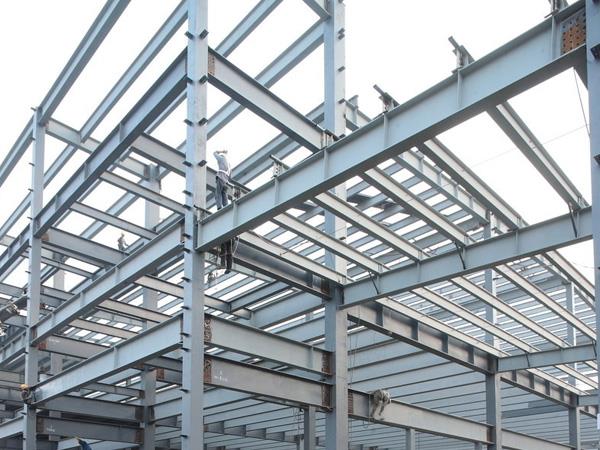
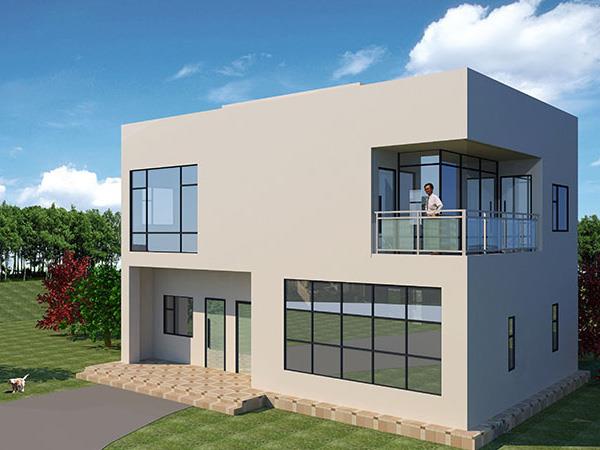
When it comes to materials, the quality of steel is paramount. As a supplier, I always emphasize using high - grade steel that has been properly treated and tested. The steel should have the right strength and ductility to resist external forces without deforming or failing. For example, steel with a high yield strength can better withstand heavy loads, while ductile steel can absorb energy during seismic events.
Our company offers a wide range of steel structures, including the Heat Insulation Hotel Large - span Steel Structure Residential Building. This type of building is designed with advanced insulation materials and large - span steel frames, providing both energy efficiency and structural stability.
2. Corrosion Prevention
One of the biggest threats to the structural integrity of a steel house is corrosion. Steel is prone to rust when exposed to moisture and oxygen. Therefore, proper corrosion prevention measures are crucial.
Coating is one of the most common methods to protect steel from corrosion. There are various types of coatings available, such as galvanized coatings, paint coatings, and powder coatings. Galvanized steel is coated with a layer of zinc, which acts as a sacrificial anode, protecting the steel from rusting. Paint coatings can provide an additional layer of protection and also enhance the aesthetic appearance of the steel house.
Regular inspections are also necessary to detect any signs of corrosion early. If corrosion is found, it should be treated immediately. Small areas of rust can be removed by sanding or wire brushing, followed by applying a new coating. For more severe corrosion, it may be necessary to replace the affected steel components.
3. Structural Inspections
Regular structural inspections are essential to maintain the integrity of a steel house. These inspections should be carried out by qualified professionals who have the knowledge and experience to identify potential problems.
During an inspection, the inspector will check the overall condition of the steel frame, including the connections between the steel members. Loose or damaged connections can significantly weaken the structure. The inspector will also look for signs of deformation, such as bending or twisting of the steel members, which could indicate overloading or other structural issues.
In addition to visual inspections, non - destructive testing methods can be used to detect internal defects in the steel. For example, ultrasonic testing can be used to detect cracks or flaws inside the steel members.
Our company also provides Curved Steel Framing, which requires special attention during inspections due to its unique shape. The curvature can introduce additional stresses on the steel, so it's important to ensure that the frame remains in good condition.
4. Proper Maintenance of Surrounding Environment
The environment around the steel house can also have an impact on its structural integrity. For example, poor drainage around the building can lead to water accumulation, increasing the risk of corrosion. Therefore, it's important to ensure that the ground around the house slopes away from the building, and the drainage system is functioning properly.
Vegetation near the steel house should also be maintained. Tree roots can cause damage to the foundation of the building if they grow too close. Overhanging branches can fall on the house during storms, causing physical damage to the steel structure.
5. Load Management
Understanding and managing the loads on a steel house is crucial for its long - term structural integrity. There are two main types of loads: dead loads and live loads. Dead loads include the weight of the building itself, such as the steel frame, roof, and walls. Live loads are the variable loads, such as the weight of people, furniture, and snow on the roof.
It's important not to exceed the design load capacity of the steel house. For example, if the house is designed to withstand a certain amount of snow load, steps should be taken to remove excess snow during heavy snowfall. Adding additional weight to the structure, such as building an extra room or installing heavy equipment, should be carefully considered and approved by a structural engineer.
Our deck steel framing is designed to handle specific loads. When using this type of framing, it's important to follow the load - bearing guidelines provided to ensure the safety and integrity of the structure.
6. Fire Protection
Steel is a non - combustible material, but high temperatures can still weaken its structural properties. Therefore, fire protection is an important aspect of maintaining the integrity of a steel house.
Fire - resistant coatings can be applied to the steel members to slow down the heating process during a fire. These coatings can insulate the steel, preventing it from reaching critical temperatures that could cause it to lose its strength.
In addition, the design of the steel house should include proper fire - separation measures, such as fire - rated walls and doors. These measures can prevent the spread of fire and protect the structural integrity of the building.
Conclusion
Maintaining the structural integrity of a steel house requires a comprehensive approach that includes proper design, high - quality materials, corrosion prevention, regular inspections, environmental management, load management, and fire protection. As a steel house supplier, we are committed to providing our customers with the best products and services to ensure the long - term durability of their steel structures.
If you're interested in purchasing a steel house or have any questions about maintaining its structural integrity, we encourage you to contact us for a detailed discussion. Our team of experts is ready to assist you in making the right decisions for your building project.
References
- Building Codes and Standards: Various national and local building codes provide guidelines for the design and construction of steel structures.
- Steel Construction Manual: Published by industry organizations, this manual offers detailed information on steel design, fabrication, and installation.
- Corrosion Prevention Handbook: A valuable resource for understanding different corrosion prevention methods and their applications.