

How to prevent rust in a steel house?
Hey there! As a supplier of steel houses, I know firsthand how important it is to prevent rust in these structures. Rust not only looks bad but can also weaken the steel over time, leading to structural issues. In this blog, I'm gonna share some tips on how to prevent rust in a steel house.
Understanding Rust
Before we dive into prevention methods, let's quickly understand what rust is. Rust is basically iron oxide, which forms when iron or steel reacts with oxygen and water. In a steel house, the steel components are constantly exposed to the elements, making them vulnerable to rust. Humidity, rain, and even condensation can all contribute to the formation of rust.
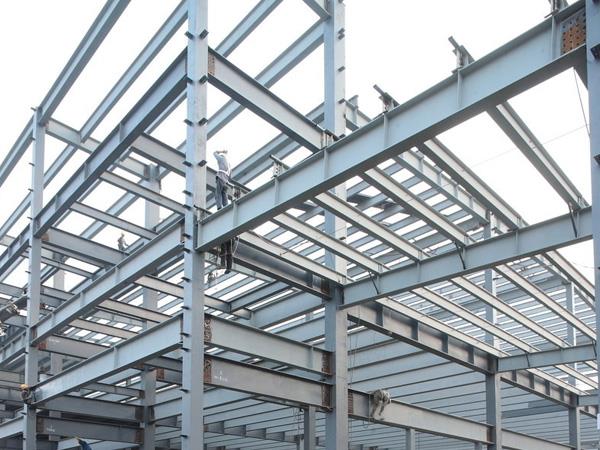

Choose High - Quality Steel
One of the first steps in preventing rust is to start with high - quality steel. There are different types of steel available, and some are more resistant to rust than others. For example, galvanized steel has a protective zinc coating that helps prevent rust. When you're building a steel house, opt for galvanized steel or other rust - resistant alloys. This initial investment in better quality steel can save you a lot of headaches down the road. You can find some great options for steel framing like Curved Steel Framing, which are designed to be durable and resistant to corrosion.
Proper Installation
The way the steel components are installed in your house also plays a crucial role in rust prevention. During installation, make sure that all the joints are properly sealed. Any gaps or openings can allow moisture to seep in and start the rusting process. Use high - quality sealants around the joints and connections. Also, ensure that the steel is installed in a way that allows for proper drainage. Water should not be allowed to pool around the steel components, as this will accelerate rust formation. For instance, if you're using Box Column Solutions, install them in a way that water runs off easily.
Coating and Painting
Applying a good coating or paint to the steel is an effective way to prevent rust. A high - quality paint acts as a barrier between the steel and the elements. Before painting, make sure the steel surface is clean and free of any dirt, grease, or existing rust. You may need to sandblast or use a wire brush to prepare the surface. Once the surface is clean, apply a primer first. The primer helps the paint adhere better and provides an extra layer of protection. After the primer has dried, apply at least two coats of paint. There are special rust - inhibiting paints available in the market that are specifically designed for steel structures. Regularly inspect the paint job and touch up any areas where the paint has chipped or peeled off.
Maintain a Dry Environment
Keeping the interior and exterior of the steel house dry is essential for rust prevention. On the exterior, make sure the gutters and downspouts are clean and functioning properly. Clogged gutters can cause water to overflow and run down the sides of the house, soaking the steel components. Trim any overhanging branches that could direct water onto the house.
Inside the house, control the humidity levels. High humidity can lead to condensation on the steel, which is a major cause of rust. You can use dehumidifiers in areas where humidity is a problem, such as basements or bathrooms. Proper ventilation is also important. Make sure there is adequate air circulation in the house to prevent moisture from building up.
Regular Inspections
Regular inspections are key to catching rust early. Set a schedule to inspect the steel components of your house at least once a year. Look for any signs of rust, such as discoloration, flaking, or bubbling of the paint. If you notice any rust spots, address them immediately. Small rust spots can often be treated by sanding the area, applying a rust converter, and then repainting. Ignoring small rust spots can lead to more extensive damage over time.
Use Rust - Inhibiting Products
There are various rust - inhibiting products available that can be used to protect steel. For example, rust - inhibiting sprays can be applied to hard - to - reach areas or as an additional layer of protection. These sprays form a thin film on the steel surface that helps prevent oxygen and water from coming into contact with the steel. You can also use rust - inhibiting wraps or tapes in areas where the steel is more exposed or prone to rust.
Consider the Location
The location of your steel house can also affect rust formation. If your house is located in an area with high humidity, near the ocean, or in an industrial area with a lot of pollution, the steel will be more likely to rust. In such locations, you may need to take extra precautions. For example, in coastal areas, the salt in the air can accelerate rusting. You may need to increase the frequency of inspections and apply more protective coatings.
Structural Design for Rust Prevention
When designing a steel house, consider the structural aspects that can help prevent rust. For example, using Heat Insulation Hotel Large - span Steel Structure Residential Building can have features that reduce the risk of rust. A well - designed structure will have proper slopes for drainage and will minimize areas where water can accumulate.
Conclusion
Preventing rust in a steel house requires a combination of good materials, proper installation, regular maintenance, and a proactive approach. By following these tips, you can ensure that your steel house remains in good condition for many years to come.
If you're interested in purchasing a steel house or need more information on rust prevention and other aspects of steel construction, don't hesitate to reach out. We're here to help you build a durable and rust - free steel house.
References
- "Steel Construction Manual" by the American Institute of Steel Construction
- "Corrosion Prevention and Control in Buildings" by the National Association of Corrosion Engineers