

How to store steel plates correctly?
As a steel plate supplier, I understand the critical importance of proper steel plate storage. Steel plates are a fundamental material in various industries, including construction, manufacturing, and automotive. Incorrect storage can lead to a range of issues, from surface corrosion to structural damage, which can ultimately affect the quality and usability of the steel plates. In this blog post, I will share some essential tips on how to store steel plates correctly.
1. Choose the Right Storage Location
The first step in proper steel plate storage is selecting an appropriate location. The storage area should be dry, well - ventilated, and protected from the elements. Exposure to rain, snow, and high humidity can cause rusting, which is one of the most common problems with steel plate storage.
If possible, store steel plates indoors. A warehouse or a covered storage facility provides the best protection against weather conditions. However, if indoor storage is not an option, outdoor storage can be made workable with proper precautions. For example, use a waterproof tarp to cover the steel plates. Make sure the tarp is securely fastened to prevent water from seeping in.
The storage location should also be flat and stable. Uneven ground can cause the steel plates to warp over time, especially if they are stacked for an extended period. Additionally, the area should be free from any potential sources of physical damage, such as heavy machinery or sharp objects.
2. Prepare the Storage Surface
Before placing the steel plates in the storage area, it is crucial to prepare the storage surface. If storing on the ground, a layer of gravel or concrete can be used to create a stable and level base. This helps to prevent moisture from seeping up from the ground and reaching the steel plates.
For indoor storage, using wooden pallets or racks is a great option. Wooden pallets elevate the steel plates off the floor, allowing air to circulate beneath them and reducing the risk of moisture accumulation. Racks, on the other hand, can be used to store steel plates vertically, which not only saves space but also reduces the chance of warping.
3. Stacking the Steel Plates
Proper stacking is essential for maintaining the integrity of the steel plates. When stacking, ensure that the plates are aligned properly. Misaligned plates can cause uneven pressure distribution, leading to bending or warping.
The height of the stack should be limited to prevent the bottom plates from being crushed under the weight of the upper ones. As a general rule, the stack height should not exceed the width of the bottom plate. For example, if the bottom plate is 2 meters wide, the stack should not be more than 2 meters high.
It is also advisable to place a layer of protective material, such as cardboard or plastic sheeting, between each layer of steel plates. This helps to prevent scratching and other surface damage during handling and storage.
4. Protecting the Steel Plates from Corrosion
Corrosion is one of the biggest threats to steel plates during storage. To prevent corrosion, several methods can be employed.
One of the simplest ways is to apply a protective coating to the steel plates before storage. There are various types of coatings available, such as paint, oil, and wax. These coatings create a barrier between the steel surface and the surrounding environment, preventing moisture and oxygen from coming into contact with the steel.
Another effective method is to use desiccants. Desiccants are substances that absorb moisture from the air. Placing desiccant packs in the storage area can help to reduce the humidity level, thereby minimizing the risk of corrosion.
Regular inspection of the steel plates is also necessary. Check for any signs of rust or corrosion, such as discoloration or pitting. If corrosion is detected, it should be addressed immediately to prevent it from spreading.
5. Organizing the Storage Area
A well - organized storage area not only makes it easier to access the steel plates but also helps to prevent damage. Label each stack or rack with information such as the type, size, and grade of the steel plates. This makes it quicker to locate the required plates when needed.

Keep an inventory of the steel plates in the storage area. This can be done using a spreadsheet or a dedicated inventory management system. The inventory should include details such as the quantity, location, and purchase date of each batch of steel plates.
6. Handling During Storage
During the storage period, the steel plates may need to be moved or re - stacked. When handling the steel plates, use appropriate equipment, such as cranes or forklifts. Make sure the equipment is in good working condition and that the operators are properly trained.
Avoid dragging the steel plates across the ground or other surfaces, as this can cause scratches and damage to the surface. Instead, lift the plates using the proper lifting points and move them carefully.
Applications of Steel Plates
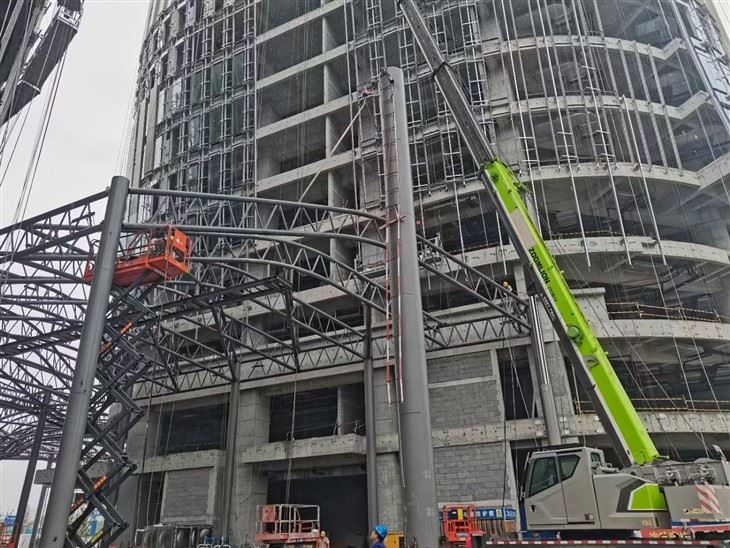
Steel plates have a wide range of applications in different industries. In the construction industry, they are used in High Rise Building Steel Structure Skyscraper Framing Systems. The high strength and durability of steel plates make them ideal for supporting the weight of tall buildings.
In manufacturing, steel plates are often used in Welding Fabrication. They can be cut, shaped, and welded to create various components and structures.
For outdoor storage and small - scale construction, steel sheds structural metal fabricators use steel plates to build sturdy and long - lasting structures.
Conclusion
Proper storage of steel plates is essential for maintaining their quality and usability. By choosing the right storage location, preparing the storage surface, stacking the plates correctly, protecting them from corrosion, organizing the storage area, and handling them carefully, you can ensure that your steel plates remain in good condition for an extended period.
If you are in need of high - quality steel plates or have any questions about steel plate storage, feel free to contact us for a detailed discussion. We are committed to providing you with the best products and services.
References
- "Steel Storage Guidelines" - American Iron and Steel Institute
- "Corrosion Prevention in Steel Storage" - International Corrosion Council
- "Best Practices for Stacking and Handling Steel Plates" - Steel Fabrication Association