

How to weatherproof a garage?
Weatherproofing a garage is a crucial step in protecting your vehicles, tools, and other stored items from the elements. As a garage supplier, I've seen firsthand the importance of a well-weatherproofed garage. In this blog post, I'll share some practical tips on how to weatherproof your garage effectively.
1. Inspect the Exterior
The first step in weatherproofing your garage is to conduct a thorough inspection of the exterior. Look for any cracks, holes, or gaps in the walls, roof, and foundation. These openings can allow water, wind, and pests to enter the garage. Pay special attention to areas around windows, doors, and vents.
Seal any cracks or holes with caulk or expanding foam. For larger gaps, you may need to use a more heavy-duty material such as concrete patching compound. Make sure to clean the area before applying the sealant to ensure proper adhesion.
2. Check the Roof
The roof is one of the most important parts of your garage when it comes to weatherproofing. Check for any missing, damaged, or loose shingles. Replace any shingles that are in poor condition to prevent water from leaking into the garage.
Inspect the flashing around the roof edges, chimneys, and vents. Flashing is a thin metal strip that helps to direct water away from these areas. If the flashing is damaged or loose, it can allow water to seep under the shingles and into the garage. Repair or replace any damaged flashing as needed.
3. Weatherstrip Doors and Windows
Doors and windows are common areas where air and water can leak into the garage. Install weatherstripping around the edges of your garage doors and windows to create a tight seal. There are several types of weatherstripping available, including adhesive-backed foam, V-strip, and door sweeps.
Choose a weatherstripping material that is suitable for your specific needs and the type of door or window you have. Make sure to measure the length of the door or window carefully and cut the weatherstripping to the appropriate size. Install the weatherstripping according to the manufacturer's instructions.
4. Install a Garage Door Seal
In addition to weatherstripping, you may also want to consider installing a garage door seal. A garage door seal is a rubber or vinyl strip that is installed along the bottom of the garage door. It helps to prevent water, dirt, and debris from entering the garage.
There are several types of garage door seals available, including bottom seals, side seals, and threshold seals. Choose a seal that is compatible with your garage door and the type of flooring in your garage. Install the seal according to the manufacturer's instructions.
5. Improve Ventilation
Proper ventilation is important for preventing moisture buildup in the garage. Moisture can lead to mold, mildew, and other problems. Install vents in the walls or roof of your garage to allow fresh air to circulate.
Make sure the vents are properly sized and located to provide adequate ventilation. You may also want to consider installing a exhaust fan to help remove moisture and odors from the garage.
6. Use a Dehumidifier
If you live in a humid climate or your garage tends to be damp, you may want to consider using a dehumidifier. A dehumidifier helps to remove excess moisture from the air, which can help to prevent mold, mildew, and other problems.

Choose a dehumidifier that is suitable for the size of your garage. Make sure to place the dehumidifier in a central location in the garage and empty the water tank regularly.
7. Protect the Foundation
The foundation of your garage is the base that supports the entire structure. It is important to protect the foundation from water damage. Make sure the ground around the garage slopes away from the foundation to prevent water from pooling.
Install a gutter system to collect and divert rainwater away from the garage. Clean the gutters regularly to prevent clogs. You may also want to consider installing a French drain around the foundation to help redirect water away from the garage.
8. Consider a Garage Enclosure
If you want to provide additional protection for your garage, you may want to consider installing a garage enclosure. A garage enclosure is a structure that is built around the garage to provide an extra layer of insulation and protection from the elements.
There are several types of garage enclosures available, including metal, vinyl, and fabric. Choose an enclosure that is suitable for your specific needs and the style of your garage. Make sure to install the enclosure according to the manufacturer's instructions.
9. Choose the Right Garage Structure
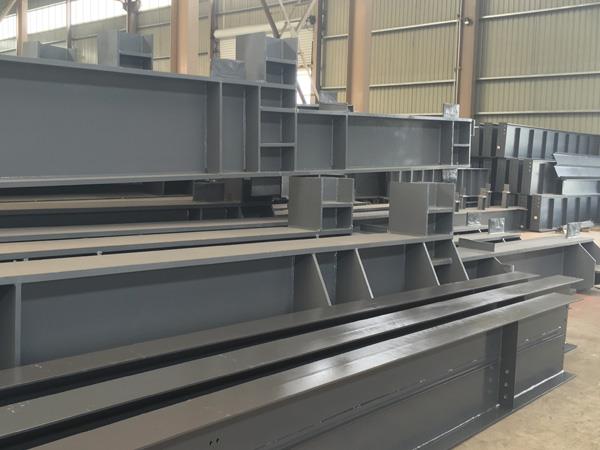
When selecting a garage, it's essential to choose a structure that is designed to withstand the elements. At our company, we offer a variety of high-quality garage structures, including Large Span Steel Structure Hanger Warehouse Shed Single Slope, Bridge Structure, and Space Steel Frame Structure. These structures are made from durable materials and are designed to provide excellent weather protection.
Conclusion
Weatherproofing your garage is an important investment that can help to protect your vehicles, tools, and other stored items from the elements. By following these tips, you can ensure that your garage is well-protected and will last for many years to come.
If you're interested in learning more about our garage structures or need help with weatherproofing your existing garage, please don't hesitate to contact us. Our team of experts is here to assist you with all your garage needs. We look forward to working with you to create the perfect garage for your home.
References
- "Home Maintenance Guide." HomeAdvisor.
- "Weatherproofing Your Garage." This Old House.
- "Garage Door Weatherstripping." Family Handyman.