

How to weld two different types of steel plates?
Hey there! As a steel plate supplier, I've seen all kinds of projects where welding different types of steel plates is a must. It's a crucial part of many industries, from construction to manufacturing. In this blog, I'm gonna share some tips on how to weld two different types of steel plates effectively.
Understanding the Basics
First off, you need to know what makes each type of steel unique. Different steel plates have different compositions, which means they can behave differently when welded. For example, carbon steel is one of the most common types. It's strong and relatively easy to weld. On the other hand, stainless steel contains chromium, which gives it corrosion - resistance but can also make it a bit trickier to weld.
When you're dealing with two different types of steel plates, you're going to encounter something called a "dissimilar weld." This is where the weld joint is made between two different materials. It's more challenging than welding the same type of steel because you have to account for the differences in their physical and chemical properties.
Pre - Welding Preparation
Cleaning the Plates
Cleanliness is super important before welding. Any dirt, oil, rust, or paint on the steel plates can cause problems during the welding process. You can use a wire brush, grinder, or chemical cleaners to get the plates clean. A clean surface ensures better fusion and stronger welds.
Fit - Up
Getting the plates to fit together properly is crucial. You want the edges to be as close as possible, with a consistent gap. If the gap is too wide, it can lead to a weak weld. You can use clamps or fixtures to hold the plates in place while you weld.
Selecting the Right Welding Process
There are several welding processes available, and the one you choose depends on the types of steel plates and the specific requirements of your project. Some common welding processes include:
- Shielded Metal Arc Welding (SMAW): This is a popular choice for many welding jobs. It's relatively simple and can be used outdoors. However, it may not be the best option for very thin steel plates.
- Gas Metal Arc Welding (GMAW): Also known as MIG welding, it's fast and produces high - quality welds. It's suitable for a wide range of thicknesses and can be used with different types of shielding gases.
- Tungsten Inert Gas Welding (TIG): This is a precise welding process that's often used for thin steel plates or when high - quality welds are required. It gives you more control over the weld pool but is slower than other methods.
Choosing the Right Filler Metal
The filler metal is what you add to the weld joint to create a strong bond. When welding different types of steel plates, you need to choose a filler metal that is compatible with both materials. You can consult a welding engineer or refer to a filler metal selection chart to find the right one.
The Welding Process
Setting the Parameters
Once you've selected the welding process and filler metal, you need to set the right parameters. This includes the welding current, voltage, and travel speed. These settings depend on the thickness of the steel plates, the type of welding process, and the filler metal. You can usually find recommended settings in the welding equipment manual or from the filler metal manufacturer.
Welding Technique
When you're actually welding, there are a few things to keep in mind. First, maintain a consistent travel speed. If you go too fast, the weld may not be strong enough, and if you go too slow, you can melt too much of the base metal. Also, keep a proper electrode or torch angle. This helps to ensure good fusion and penetration.
Post - Welding Inspection and Treatment
Inspection
After you've finished welding, you need to inspect the weld. Look for any signs of cracks, porosity, or incomplete fusion. You can use visual inspection methods or more advanced techniques like ultrasonic testing or X - ray inspection, depending on the requirements of your project.
Treatment
Sometimes, the welded joint may need some post - weld treatment. For example, if you're welding high - strength steel, you may need to perform a post - weld heat treatment to relieve stress and improve the mechanical properties of the weld.
Real - World Applications
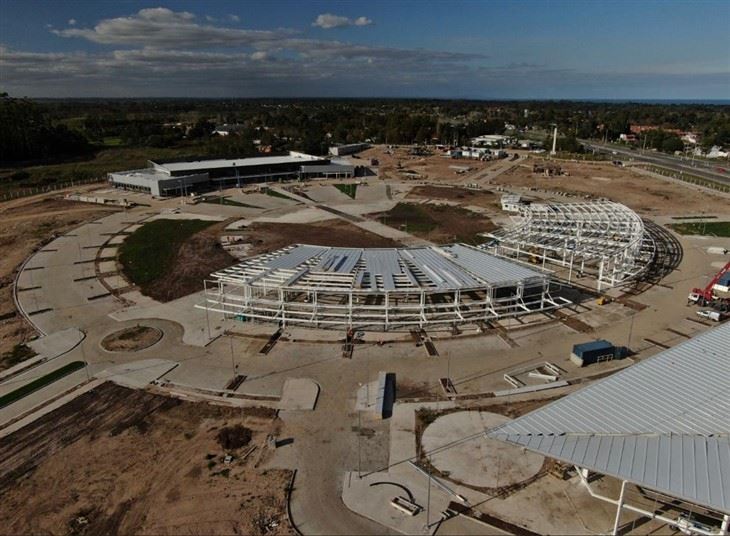
Welding different types of steel plates is used in a variety of industries. In construction, it's used for building structures like Steel framing systems. These systems are made up of different steel components that need to be welded together to create a strong and stable structure.
In the manufacturing of steel sheds structural metal fabricators, welding different types of steel is also common. The steel plates used for the shed's frame and walls may be of different types, and they need to be welded correctly to ensure the shed can withstand the elements.
Another area is Steel Structure Contract Manufacturing. Here, different types of steel are often combined to create custom - made structures. Welding these different steels requires careful planning and execution.
Conclusion
Welding two different types of steel plates is a complex but achievable task. By understanding the properties of the steels, properly preparing the plates, choosing the right welding process and filler metal, and following the correct welding and post - weld procedures, you can create strong and reliable welds.
If you're in need of high - quality steel plates for your welding projects, I'm here to help. As a steel plate supplier, I have a wide range of steel types and thicknesses to meet your specific requirements. Whether you're working on a small DIY project or a large industrial construction, I can provide you with the materials you need. So, don't hesitate to reach out and start that conversation about your steel plate needs and let's get your project on the right track!

References
- Welding Handbook, American Welding Society
- Steel Construction Manual, American Institute of Steel Construction