

What are the differences between steel sheets with different carbon contents?
As a steel sheet supplier, I've had the privilege of working with a wide range of steel products, each with its unique characteristics and applications. One of the most critical factors that determine the properties of steel sheets is their carbon content. In this blog post, I'll delve into the differences between steel sheets with different carbon contents, exploring how these variations impact their performance and suitability for various uses.
Low-Carbon Steel Sheets (Less than 0.3% Carbon)
Low-carbon steel sheets, often referred to as mild steel, are the most commonly used type of steel in the industry. They contain a relatively small amount of carbon, typically less than 0.3%. This low carbon content gives them several distinct advantages.
Properties
- Ductility and Formability: Low-carbon steel sheets are highly ductile, which means they can be easily bent, stretched, and formed into various shapes without cracking. This makes them ideal for applications that require complex forming processes, such as automotive body panels, pipes, and wire drawing.
- Weldability: These steel sheets have excellent weldability, allowing them to be joined together using various welding methods. This property is crucial in the construction of structures and the manufacturing of machinery, where strong and reliable joints are required.
- Machinability: Low-carbon steel sheets are relatively easy to machine, making them suitable for applications that involve cutting, drilling, and milling. They can be processed using standard machining tools and techniques, reducing production costs and lead times.
- Corrosion Resistance: While low-carbon steel is not as corrosion-resistant as some other materials, it can be protected through various surface treatments, such as galvanizing or painting. This makes it suitable for outdoor applications where exposure to moisture and other corrosive elements is a concern.
Applications
- Automotive Industry: Low-carbon steel sheets are widely used in the automotive industry for the production of car bodies, frames, and other components. Their formability and weldability make them ideal for creating complex shapes and structures, while their relatively low cost makes them a cost-effective choice for mass production.
- Construction Industry: In the construction industry, low-carbon steel sheets are used for a variety of applications, including roofing, siding, and structural components. Their strength and durability make them suitable for supporting heavy loads, while their formability allows them to be easily customized to fit specific design requirements.
- Manufacturing Industry: Low-carbon steel sheets are also used in the manufacturing of a wide range of products, such as appliances, furniture, and machinery. Their machinability and weldability make them easy to work with, while their versatility allows them to be used in a variety of applications.
Medium-Carbon Steel Sheets (0.3% - 0.6% Carbon)
Medium-carbon steel sheets contain a higher carbon content than low-carbon steel, typically ranging from 0.3% to 0.6%. This increased carbon content gives them several unique properties that make them suitable for different applications.
Properties
- Strength and Hardness: Medium-carbon steel sheets are stronger and harder than low-carbon steel sheets, making them suitable for applications that require high strength and wear resistance. They can withstand heavy loads and abrasive forces without deforming or breaking, making them ideal for use in machinery, tools, and automotive components.
- Toughness: Despite their increased strength and hardness, medium-carbon steel sheets still retain a certain degree of toughness, which means they can absorb energy without fracturing. This property makes them suitable for applications that involve impact loading, such as gears, shafts, and springs.
- Heat Treatment: Medium-carbon steel sheets can be heat-treated to further enhance their strength and hardness. Heat treatment processes, such as quenching and tempering, can significantly improve the mechanical properties of these steel sheets, making them suitable for even more demanding applications.
- Weldability: While medium-carbon steel sheets are not as weldable as low-carbon steel sheets, they can still be welded using appropriate welding techniques and procedures. However, care must be taken to prevent the formation of cracks and other defects in the weld zone.
Applications
- Automotive Industry: Medium-carbon steel sheets are used in the automotive industry for the production of high-strength components, such as crankshafts, connecting rods, and gears. Their strength and wear resistance make them suitable for withstanding the high stresses and loads encountered in automotive engines and transmissions.
- Manufacturing Industry: In the manufacturing industry, medium-carbon steel sheets are used for the production of tools, dies, and machinery parts. Their hardness and toughness make them suitable for cutting, shaping, and forming other materials, while their heat treatability allows them to be customized to meet specific performance requirements.
- Construction Industry: Medium-carbon steel sheets are also used in the construction industry for the production of structural components, such as beams, columns, and trusses. Their strength and durability make them suitable for supporting heavy loads, while their heat treatability allows them to be designed to meet specific structural requirements.
High-Carbon Steel Sheets (More than 0.6% Carbon)
High-carbon steel sheets contain a relatively high amount of carbon, typically more than 0.6%. This high carbon content gives them several unique properties that make them suitable for specialized applications.
Properties
- Hardness and Wear Resistance: High-carbon steel sheets are extremely hard and wear-resistant, making them suitable for applications that require high levels of abrasion resistance. They can withstand intense friction and wear without losing their shape or performance, making them ideal for use in cutting tools, knives, and saw blades.
- Brittleness: One of the main drawbacks of high-carbon steel sheets is their brittleness. They are more prone to cracking and breaking under stress than low-carbon and medium-carbon steel sheets, which limits their use in applications that involve impact loading or high levels of stress.
- Heat Treatment: High-carbon steel sheets can be heat-treated to further enhance their hardness and wear resistance. Heat treatment processes, such as quenching and tempering, can significantly improve the mechanical properties of these steel sheets, making them suitable for even more demanding applications.
- Weldability: High-carbon steel sheets are very difficult to weld due to their high carbon content. Welding these steel sheets requires specialized techniques and equipment, and care must be taken to prevent the formation of cracks and other defects in the weld zone.
Applications
- Cutting Tool Industry: High-carbon steel sheets are widely used in the cutting tool industry for the production of knives, saw blades, and other cutting tools. Their hardness and wear resistance make them suitable for cutting through tough materials, such as metal, wood, and plastic.
- Tool and Die Industry: In the tool and die industry, high-carbon steel sheets are used for the production of dies, molds, and other tooling components. Their hardness and wear resistance make them suitable for shaping and forming other materials, while their heat treatability allows them to be customized to meet specific performance requirements.
- Musical Instrument Industry: High-carbon steel sheets are also used in the musical instrument industry for the production of strings, reeds, and other components. Their hardness and elasticity make them suitable for producing high-quality musical sounds, while their corrosion resistance ensures long-term durability.
Conclusion
In conclusion, the carbon content of steel sheets plays a crucial role in determining their properties and applications. Low-carbon steel sheets are known for their ductility, formability, and weldability, making them suitable for a wide range of applications in the automotive, construction, and manufacturing industries. Medium-carbon steel sheets offer a balance of strength, toughness, and heat treatability, making them suitable for high-strength components and demanding applications. High-carbon steel sheets are extremely hard and wear-resistant, but they are also brittle and difficult to weld, making them suitable for specialized applications in the cutting tool, tool and die, and musical instrument industries.
As a steel sheet supplier, I understand the importance of choosing the right steel sheet for your specific application. Whether you need low-carbon steel sheets for their formability, medium-carbon steel sheets for their strength, or high-carbon steel sheets for their hardness, I can provide you with the high-quality steel products you need. If you're interested in learning more about our steel sheet products or would like to discuss your specific requirements, please don't hesitate to contact me. I look forward to working with you to find the perfect steel solution for your project.

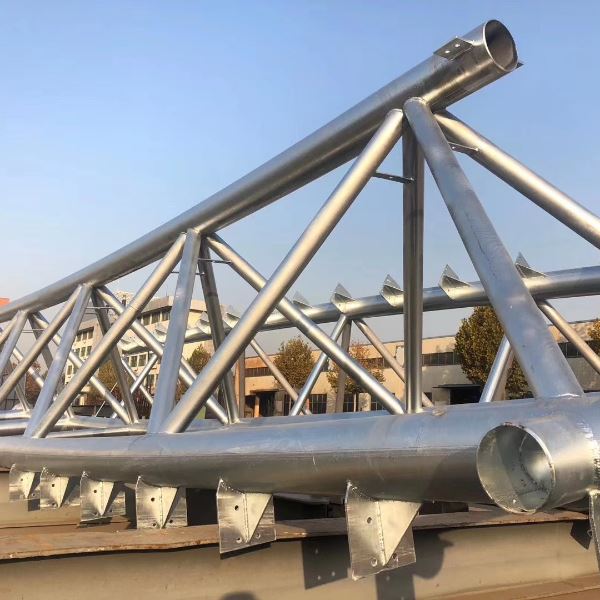
For more information on steel structures and related products, you can visit the following links:
- steel sheds structural metal fabricators
- steel truss manufacturers
- Steel Structure Contract Manufacturing
References
- ASM Handbook, Volume 1: Properties and Selection: Irons, Steels, and High-Performance Alloys
- Metals Handbook, Volume 1: Properties and Selection: Irons, Steels, and High-Performance Alloys
- Steel Construction Manual, 15th Edition
- Welding Handbook, Volume 1: Welding Science and Technology