

What are the features of a sustainable building?
A sustainable building, also known as a green building, represents a holistic approach to construction that harmonizes environmental responsibility, economic viability, and social well - being. As a buildings supplier, we are at the forefront of understanding and incorporating the key features that make a building truly sustainable. Through our products and services, we aim to contribute to the creation of a built environment that is both environmentally friendly and cost - effective in the long run.
Energy Efficiency
One of the most prominent features of a sustainable building is its high - level energy efficiency. This can be achieved through a combination of design strategies and the use of advanced technologies. For instance, proper insulation in the walls, roofs, and floors significantly reduces heat transfer, minimizing the need for excessive heating or cooling. Double - or triple - glazed windows with low - emissivity coatings can also improve insulation, while allowing natural light to penetrate the building. This not only reduces energy consumption but also enhances the comfort of the building's occupants.
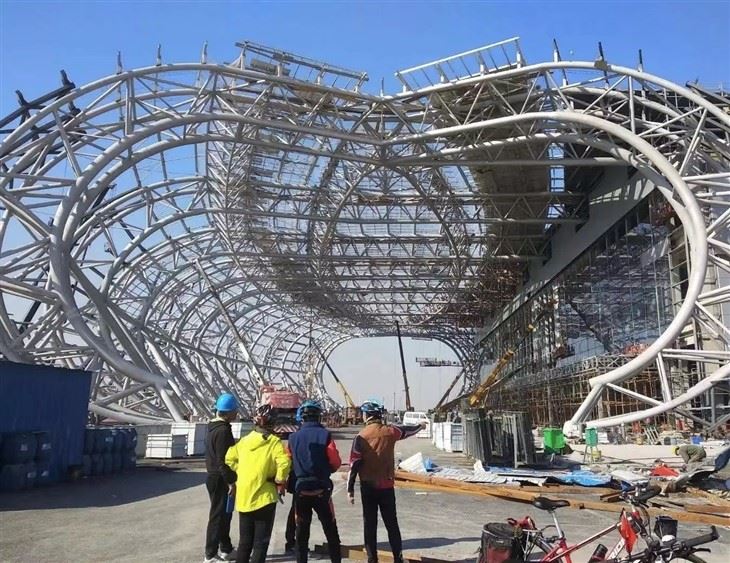
In addition, sustainable buildings often incorporate renewable energy sources such as solar panels, wind turbines, or geothermal systems. Solar panels can be installed on rooftops to generate electricity, which can be used to power the building's electrical systems. For larger commercial or industrial buildings, Steel structure for stadium building can be designed to support large arrays of solar panels. The use of these renewable energy sources lessens the building's reliance on the grid and reduces greenhouse gas emissions.

Water Conservation
Water conservation is another crucial aspect of sustainable building design. Low - flow faucets, showerheads, and toilets can be installed to reduce water consumption without sacrificing performance. Rainwater harvesting systems are also popular in sustainable buildings. These systems collect rainwater from rooftops and store it for later use, such as for irrigation or flushing toilets. Greywater recycling systems, on the other hand, treat and reuse water from sinks, showers, and washing machines for non - potable purposes, further reducing overall water demand.
As a buildings supplier, we offer a range of products that support water conservation efforts. Our building materials can be designed to be compatible with these water - saving systems, ensuring seamless integration into the overall building design.
Sustainable Materials
The choice of materials plays a vital role in sustainable building construction. Environmentally friendly materials are those that have a minimal impact on the environment throughout their life cycle, from extraction and production to disposal. For example, using recycled materials such as recycled steel, glass, and concrete can reduce the demand for virgin resources and the energy required for production.
In our capacity as a supplier, we provide Design of Galvanized Steel Frame Structure Villa Construction Accessories, which are made from recycled and recyclable steel. Galvanized steel is highly durable and resistant to corrosion, extending the lifespan of the building's structural components. Additionally, the production of galvanized steel uses less energy compared to some other building materials, making it a sustainable choice.
Healthy Indoor Environment
A sustainable building should provide a healthy indoor environment for its occupants. This involves controlling indoor air quality, temperature, and humidity. Proper ventilation systems are essential to remove pollutants, odors, and excess moisture from the building. HEPA filters can be incorporated into ventilation systems to trap dust, pollen, and other airborne particles, improving air quality.
Low - volatile organic compound (VOC) paints, adhesives, and flooring materials should be used to minimize the release of harmful chemicals into the indoor air. These materials can reduce the risk of health problems such as allergies, respiratory issues, and headaches among the building's occupants. As a supplier, we offer a wide range of low - VOC products to help create a healthy indoor environment.
Adaptability and Flexibility
Sustainable buildings are designed to be adaptable and flexible to meet changing user needs over time. This means that the building's layout and structure should be able to accommodate different functions and technologies without major renovations. For example, open - plan designs can be easily reconfigured to suit different business requirements, and modular construction techniques can allow for the addition or removal of building components.
Our Steel Beam Connections are designed to provide a high degree of flexibility in building design. They can be easily adjusted and modified, enabling the building to adapt to future changes.
Site Selection and Design
The location and design of a sustainable building in relation to its site are also important considerations. Buildings should be sited to take advantage of natural resources such as sunlight, wind, and shade. For example, placing a building in a way that maximizes solar exposure during the winter months and minimizes it during the summer can reduce the need for artificial heating and cooling.
Landscaping around the building can also contribute to its sustainability. Native plants can be used in landscaping, as they are adapted to the local climate and require less water and maintenance. Green roofs and walls can help to insulate the building, reduce stormwater runoff, and provide habitats for wildlife.
Long - term Cost - effectiveness
While the initial cost of constructing a sustainable building may be higher than that of a conventional building, sustainable buildings offer significant long - term cost savings. Reduced energy and water consumption, as well as lower maintenance costs due to the use of durable materials, can result in substantial savings over the building's lifespan. In addition, sustainable buildings may have a higher resale value, making them a more attractive investment.
Life - Cycle Assessment
A comprehensive life - cycle assessment (LCA) is often conducted for sustainable buildings. This assessment evaluates the environmental impact of a building from its construction phase through its operation, maintenance, and eventual demolition or renovation. By considering the entire life cycle, designers and builders can make more informed decisions about materials, energy use, and waste management.
Social and Community Benefits
Sustainable buildings also bring positive social and community benefits. They can enhance the quality of life for occupants by providing a more comfortable, healthy, and productive environment. In addition, sustainable building projects can contribute to the economic development of the local community by creating jobs in the construction, manufacturing, and maintenance sectors.
Conclusion
In conclusion, a sustainable building is characterized by energy efficiency, water conservation, the use of sustainable materials, a healthy indoor environment, adaptability, and site - specific design. As a buildings supplier, we are committed to providing high - quality products that support these features. Whether it is the design of galvanized steel frame structure villa construction accessories, steel structures for stadium buildings, or steel beam connections, we aim to contribute to the creation of more sustainable buildings.
If you are interested in sustainable building materials and solutions, we would be delighted to have a discussion with you. We can assist in tailoring the right products for your project to ensure that it meets the highest standards of sustainability. Contact us to start a procurement negotiation and take the first step towards a more sustainable future.
References
- Kibert, C. J. (2016). Sustainable Construction: Green Building Design and Delivery. John Wiley & Sons.
- Reed, D. A. (2012). LEED AP for Building Design + Construction Study Guide. John Wiley & Sons.
- Brundtland, G. H. (1987). Our Common Future. United Nations World Commission on Environment and Development.