

What are the fire - proofing treatments for steel panels?
Hey there! As a steel panel supplier, I often get asked about the fire - proofing treatments for steel panels. It's a crucial topic, especially when you consider the safety and durability of any structure that uses steel panels. In this blog, I'll walk you through the different fire - proofing methods available for steel panels.
First off, let's understand why we need fire - proofing for steel panels. Steel is a great material. It's strong, durable, and can be used in a wide range of applications, from steel sheds structural metal fabricators to high - rise buildings. But when exposed to high temperatures, steel loses its strength rapidly. At around 500°C, steel can lose up to half of its strength, which can lead to structural failure in a fire. So, fire - proofing is essential to maintain the integrity of the steel panels during a fire.
One of the most common fire - proofing treatments is the use of intumescent coatings. These coatings are pretty cool. When they're exposed to heat, they expand and form a thick, insulating char layer. This char layer acts as a barrier between the steel panel and the fire, slowing down the transfer of heat to the steel. It's like a protective shield for the steel. Intumescent coatings come in different types, such as water - based and solvent - based. Water - based coatings are more environmentally friendly and easier to apply, while solvent - based coatings are often more durable and have better adhesion.
Another popular method is the application of fire - resistant boards. These boards are made from materials like calcium silicate or gypsum, which have excellent fire - resistant properties. They're usually attached to the steel panels using adhesives or mechanical fasteners. Fire - resistant boards can provide a high level of fire protection and are often used in areas where a high fire rating is required, like in commercial buildings or industrial facilities.
Spray - applied fire - resistive materials (SFRMs) are also widely used. These materials are sprayed onto the steel panels to form a thick, insulating layer. SFRMs can be made from different substances, such as cementitious or fibrous materials. Cementitious SFRMs are made from a mixture of cement and other additives, while fibrous SFRMs are made from fibers like mineral wool. SFRMs are great because they can conform to the shape of the steel panels, providing uniform fire protection. They're also relatively easy to apply, even on complex steel structures.
Now, let's talk about the pros and cons of each method. Intumescent coatings are easy to apply and can provide a good aesthetic finish. They're also relatively lightweight, which is important in some applications where weight is a concern. However, they can be more expensive than other methods, and their performance can be affected by environmental factors like humidity and temperature.
Fire - resistant boards offer a high level of fire protection and are very durable. They're also easy to maintain. But they can be heavy, which might require additional structural support. And the installation process can be more labor - intensive compared to other methods.
SFRMs are cost - effective and can provide a high level of fire protection. They're also suitable for large - scale applications. However, they can be messy to apply, and they might require some surface preparation before application.
When choosing a fire - proofing treatment for your steel panels, there are a few things you need to consider. First, you need to think about the fire rating requirements of your project. Different buildings and applications have different fire rating requirements, so you need to make sure the treatment you choose meets those requirements. Second, you need to consider the environment in which the steel panels will be used. If the panels will be exposed to harsh weather conditions or chemicals, you need to choose a treatment that can withstand those conditions.
You also need to think about the aesthetics of the fire - proofing treatment. In some cases, you might want the fire - proofing to be invisible or blend in with the surrounding environment. For example, if you're using steel panels in an architectural application, you might prefer an intumescent coating that can be painted over to match the color of the building.
As a steel panel supplier, I've seen firsthand how important it is to choose the right fire - proofing treatment. It can make a huge difference in the safety and performance of the steel panels. That's why I always work closely with my customers to understand their needs and recommend the best fire - proofing solution for their projects.
If you're in the market for steel panels and need fire - proofing treatments, I'd love to help. I can provide you with high - quality steel panels and offer expert advice on the best fire - proofing methods for your specific application. Whether you're building a small shed or a large commercial building, I've got you covered. Just reach out, and we can start discussing your project.
In addition to the fire - proofing treatments I've mentioned, there are also some emerging technologies in the field. For example, researchers are working on developing new types of coatings that can self - heal after being damaged by fire. These coatings could potentially provide even better fire protection and reduce the need for costly repairs.
Another area of research is the use of nanomaterials in fire - proofing. Nanomaterials have unique properties that can enhance the fire - resistant performance of the coatings or other fire - proofing materials. For example, some nanomaterials can improve the thermal insulation properties of the intumescent coatings, making them even more effective at protecting the steel panels.
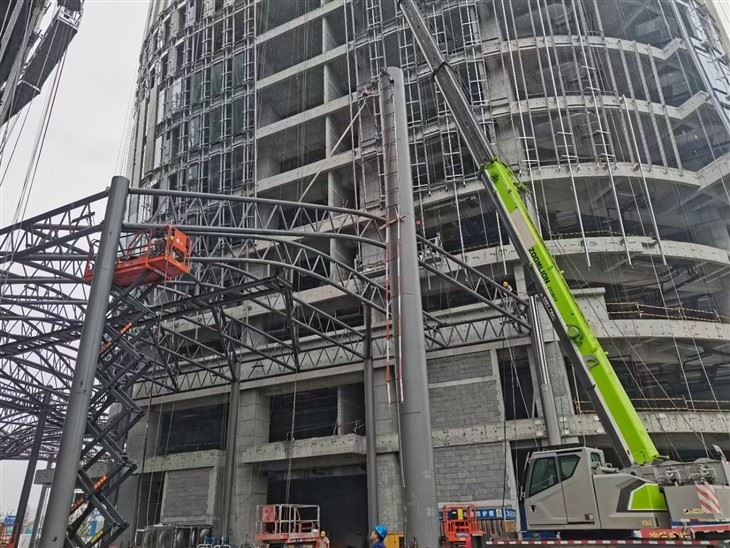

When it comes to the installation of fire - proofing treatments, it's important to hire a professional. A professional installer will have the experience and knowledge to apply the treatments correctly. They'll know how to prepare the surface of the steel panels, apply the treatment evenly, and ensure that it meets all the relevant safety standards. Incorrect installation can lead to reduced fire protection and even pose a safety risk.
Maintenance is also an important aspect of fire - proofing. Regular inspections should be carried out to check the condition of the fire - proofing treatments. If any damage or deterioration is found, it should be repaired immediately. For example, if an intumescent coating has been scratched or damaged, it might not perform as well in a fire. So, keeping an eye on the condition of the fire - proofing is crucial to ensure its long - term effectiveness.
In conclusion, fire - proofing treatments for steel panels are essential for ensuring the safety and durability of structures. There are several methods available, each with its own pros and cons. By considering the fire rating requirements, the environment, and the aesthetics of your project, you can choose the best fire - proofing treatment for your steel panels. And if you're looking for steel panels and fire - proofing solutions, don't hesitate to get in touch. I'm here to help you make the right choices for your project.
References
- "Fire Protection of Structural Steelwork" by British Constructional Steelwork Association
- "Fire - Resistant Coatings for Steel Structures" by National Fire Protection Association
So, if you're interested in learning more or starting a project, just drop me a line, and we can start the conversation about your steel panel and fire - proofing needs. Whether it's for a small DIY project or a large - scale commercial venture, I'm ready to assist you.