

What are the materials used to build a garage?
When it comes to building a garage, the choice of materials is crucial. As a garage supplier, I've witnessed firsthand how different materials can impact the durability, functionality, and overall aesthetic of a garage. In this blog, I'll delve into the various materials commonly used in garage construction, exploring their pros and cons, and how they can meet different needs and budgets.
Steel
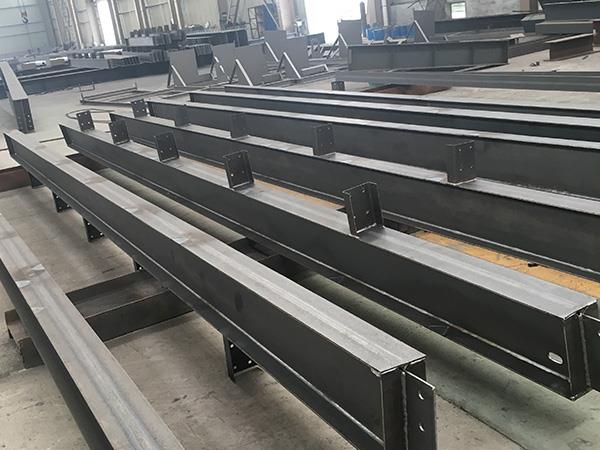
Steel is one of the most popular materials for garage construction, and for good reason. It offers a combination of strength, durability, and versatility that few other materials can match.
Strength and Durability
Steel is incredibly strong, making it capable of withstanding heavy loads and extreme weather conditions. This makes it an ideal choice for garages, which often need to support the weight of vehicles, storage, and equipment. Steel garages are also resistant to pests, rot, and fire, ensuring long - term durability and peace of mind for the owner.
Versatility
Steel can be fabricated into a wide variety of shapes and sizes, allowing for custom - designed garages to fit any space and requirement. Whether you need a small single - car garage or a large multi - car workshop, steel can be tailored to your needs. Additionally, steel can be painted or coated in different colors and finishes, giving you the freedom to match the garage to your home's exterior.
Cost - Effectiveness
While the initial cost of steel may be higher than some other materials, its long - term cost - effectiveness is undeniable. Steel garages require minimal maintenance, and their durability means they won't need to be replaced as often as garages made from other materials. This can result in significant savings over the life of the garage.
If you're interested in heavy - duty steel structures for your garage, you might want to check out Heavy Crane Meltshop Steel Structure Fabrication.
Wood
Wood has been used in construction for centuries, and it still holds a special place in garage building.
Aesthetic Appeal
Wood offers a warm, natural look that can enhance the curb appeal of your home. It can be stained or painted to achieve different looks, from a rustic cabin - style garage to a modern, sleek design. Wood also provides a sense of charm and character that is hard to replicate with other materials.
Workability
Wood is relatively easy to work with, making it a popular choice for DIY enthusiasts. It can be cut, shaped, and joined using basic tools, allowing for greater flexibility in construction. This also means that repairs and modifications can be made more easily compared to other materials.
Insulation
Wood has natural insulating properties, which can help keep your garage warmer in the winter and cooler in the summer. This can reduce energy costs if you use your garage as a workspace or for storing temperature - sensitive items.
However, wood does have some drawbacks. It is susceptible to rot, pests, and fire, especially if not properly treated. Regular maintenance, such as painting and sealing, is required to keep the wood in good condition. For larger and more industrial - style wood - like structures, Professional Factory Square Tube Steel Structure Warehouse offers some great design inspirations.
Concrete
Concrete is another reliable material for garage construction, particularly for the foundation and flooring.
Foundation Strength
A concrete foundation is essential for a stable and long - lasting garage. Concrete can support the weight of the garage structure and any vehicles or equipment inside. It is resistant to shifting and settling, which can prevent structural damage over time.
Flooring Durability
Concrete floors are extremely durable and can withstand heavy traffic, spills, and abrasions. They are easy to clean and maintain, making them a practical choice for a garage. Concrete floors can also be finished in different ways, such as polished or stamped, to add a decorative touch.
Fire Resistance
Concrete is non - combustible, providing an added layer of fire protection for your garage and the contents inside.
However, concrete can be expensive to install, especially if a large amount is required. It also has a relatively high environmental impact during the manufacturing process.
Aluminum
Aluminum is a lightweight and corrosion - resistant material that is becoming increasingly popular for garage construction.
Lightweight
Aluminum is much lighter than steel or concrete, which can make it easier to transport and install. This can reduce labor costs and make the construction process quicker.
Corrosion Resistance
Aluminum naturally forms a protective oxide layer on its surface, which makes it highly resistant to corrosion. This is especially beneficial in coastal areas or regions with high humidity, where other materials may rust or deteriorate.
Low Maintenance
Aluminum garages require very little maintenance. They don't need to be painted or treated to prevent rust, and they can be easily cleaned with soap and water.
However, aluminum is not as strong as steel, so it may not be suitable for large or heavy - duty garages.
Vinyl
Vinyl is a synthetic material that offers several advantages for garage construction.
Low Maintenance
Vinyl is extremely low - maintenance. It doesn't require painting, staining, or sealing, and it can be easily cleaned with a hose or pressure washer. This makes it a convenient choice for busy homeowners.
Weather Resistance
Vinyl is resistant to fading, cracking, and warping due to weather conditions. It can withstand extreme temperatures, UV rays, and moisture, ensuring that your garage looks good for years to come.
Cost - Effective
Vinyl is generally more affordable than some other materials, making it a budget - friendly option for garage construction.
However, vinyl may not be as strong or durable as steel or concrete, and it may not have the same aesthetic appeal as wood.
Choosing the Right Material for Your Garage
When choosing the material for your garage, several factors should be considered:
Budget
Your budget will play a significant role in determining the material you can afford. While some materials may have a higher upfront cost, they may offer long - term savings in terms of maintenance and durability.
Location
The climate and location of your garage can influence the choice of material. For example, if you live in a coastal area, a corrosion - resistant material like aluminum or vinyl may be a better choice. In areas with extreme weather conditions, a strong and durable material like steel or concrete may be necessary.
Function
Consider how you will use the garage. If it will be used primarily for parking cars, a basic material like steel or vinyl may be sufficient. However, if you plan to use it as a workshop or storage for valuable equipment, you may want to invest in a more robust and secure material.
Aesthetic
The appearance of the garage is also important, as it should complement the style of your home. Wood and vinyl offer a more natural or traditional look, while steel and aluminum can provide a modern and industrial aesthetic.
As a garage supplier, I'm here to help you make the best decision for your garage project. Whether you need advice on material selection, design, or installation, I'm just a call or message away. If you're interested in exploring different steel structure options for your garage, take a look at Bridge Structure.
If you're considering building a new garage or upgrading an existing one, I encourage you to reach out to me. I can provide you with detailed information, quotes, and samples to help you make an informed decision. Let's work together to create the perfect garage for your needs.

References
- "Building Materials Handbook" by John Wiley & Sons
- "Garage Construction Guide" by Home Builders Association
- Various industry research reports on construction materials