

What are the signs of poor air quality in a hen house?
Hey there! I'm a supplier for hen houses, and I've seen firsthand how crucial air quality is in these spaces. Poor air quality in a hen house can spell trouble for the health and productivity of your feathered friends. So, in this blog, I'm gonna walk you through the signs that the air in your hen house ain't up to par.
1. Foul Odors
One of the most obvious signs of poor air quality is a bad smell. If you walk into your hen house and are hit with a strong, ammonia - like odor, that's a red flag. Ammonia is produced by the breakdown of chicken manure. When there's too much of it in the air, it can irritate the respiratory systems of the hens. High levels of ammonia can also cause eye irritation, making the hens' eyes watery and red.
You see, chickens are pretty sensitive to these kinds of noxious fumes. Over time, exposure to high - ammonia air can lead to respiratory diseases, which can spread quickly through the flock. It's not just bad for the hens; it's also unpleasant for you as the keeper. If you find yourself holding your breath or coughing when you enter the hen house, it's time to take action.
2. Excessive Dust
Another sign is excessive dust in the air. Dust in a hen house can come from a few sources. There's the dust from the bedding material, like straw or wood shavings. Then there's the dust from the chickens themselves, like feathers and dander. When there's too much dust floating around, it can clog the hens' lungs and airways.
You can tell there's a dust problem if you notice a fine layer of dust on everything in the hen house, including the feeders, waterers, and perches. Also, if you see the hens coughing or sneezing more than usual, it could be due to the dust. This can lead to respiratory issues and reduced egg production. Regular cleaning and proper ventilation can help keep the dust levels down.
3. Condensation on Walls and Ceilings
Condensation on the walls and ceilings of the hen house is also a sign of poor air quality. This usually happens when there's too much moisture in the air. Moisture can come from the chickens' respiration, as well as from spilled water. When the warm, moist air inside the hen house hits the cold walls and ceilings, it condenses.
This excess moisture can create a breeding ground for mold and bacteria. Mold spores can be inhaled by the hens, leading to respiratory problems. And bacteria can cause all sorts of diseases. If you notice water droplets or a damp feeling on the walls and ceilings, it means the air circulation in the hen house is not good enough. You need to improve the ventilation to get rid of the excess moisture.
4. Poor Egg Quality
Believe it or not, poor air quality can also affect the quality of the eggs. When hens are exposed to bad air, it can stress them out. Stress can lead to hormonal imbalances, which can affect egg production and quality. You might notice that the eggs have thinner shells or that the hens are laying fewer eggs.
The air quality can also impact the taste and smell of the eggs. If the air is filled with ammonia and other contaminants, these can be absorbed by the eggs. This can make the eggs taste and smell off. So, if you've been noticing a decline in the egg quality, it could be due to the air in the hen house.
5. Lethargy and Reduced Activity
Hens that are exposed to poor air quality often become lethargic and less active. They may spend more time sitting around and less time foraging, scratching, and socializing. This is because their bodies are working hard to deal with the effects of the bad air.
If you see that your hens are not as lively as they used to be, it could be a sign that the air in the hen house is making them sick. A healthy hen should be active, pecking around, and interacting with the other hens. When they start to lose their energy, it's a clear indication that something is wrong with their environment.
6. Increased Mortality Rate
In severe cases, poor air quality can lead to an increased mortality rate among the hens. If the hens are constantly exposed to high levels of ammonia, dust, and other contaminants, their immune systems can become weakened. This makes them more susceptible to diseases.

You might start to notice that more hens are getting sick and dying than usual. This is a serious situation that needs immediate attention. If you don't address the air quality issue, you could end up losing a significant portion of your flock.
Why Good Air Quality Matters
Good air quality is essential for the well - being of your hens. When the air is clean and fresh, the hens are healthier, more active, and more productive. They'll lay better - quality eggs, and they'll be less likely to get sick. This means less money spent on veterinary bills and more profit for you as a hen keeper.
As a hen house supplier, I know that a well - ventilated hen house is key to maintaining good air quality. That's why I offer hen houses with proper ventilation systems. These systems help to remove the stale air, dust, and moisture from the hen house and bring in fresh air.
Improving Air Quality
So, how can you improve the air quality in your hen house? First, make sure the hen house is clean. Regularly remove the manure, replace the bedding, and clean the feeders and waterers. This will reduce the sources of ammonia and dust.
Second, install a good ventilation system. This could be as simple as some windows that can be opened and closed, or it could be a more complex mechanical ventilation system. The ventilation should be designed to allow fresh air to enter the hen house and stale air to exit.
Third, control the moisture levels. Make sure there are no leaks in the hen house, and don't over - water the chickens. You can also use a dehumidifier if necessary.
Our Products and Services
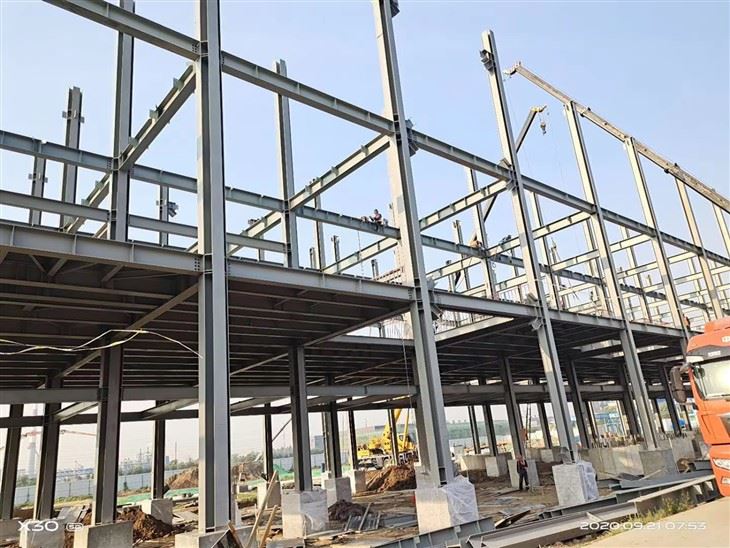
At our company, we offer a range of hen houses that are designed with air quality in mind. Our hen houses are made with high - quality materials, like Structural Steel Structures, which are strong and durable. We also use advanced ventilation systems to ensure that the air inside the hen house is clean and fresh.
Our hen houses come with features like Latticed Column for added stability and Bridge Construction techniques to make the structure more robust. We understand that every hen keeper has different needs, so we can customize the hen houses to fit your specific requirements.
If you're looking to improve the air quality in your hen house or are in the market for a new hen house, we'd love to talk to you. We can provide you with all the information you need and help you make the right choice for your flock. Contact us today to start the conversation about your hen house needs.
References
- "Poultry Health and Management" by John Doe
- "The Chicken Keeper's Handbook" by Jane Smith
- Various research papers on poultry air quality from agricultural universities