

What is the brittleness of a steel plate?
Hey there! As a steel plate supplier, I've been getting a lot of questions lately about the brittleness of steel plates. So, I thought I'd take a moment to break it down and explain what it is, why it matters, and how it can affect your projects.
Let's start with the basics. Brittleness in a steel plate refers to its tendency to break or fracture without significant deformation when subjected to stress. In simpler terms, a brittle steel plate is one that's more likely to snap rather than bend under pressure. This is in contrast to a ductile steel plate, which can deform quite a bit before it finally breaks.
Now, you might be wondering, why does brittleness matter? Well, it has a huge impact on the performance and safety of steel structures. For example, in Steel framing systems, a brittle steel plate could lead to sudden and catastrophic failure. Imagine a building frame made of brittle steel. If it experiences an unexpected load, like an earthquake or a strong wind, the brittle plates might crack or break without warning, putting the entire structure at risk.
In High Rise Building Steel Structure Skyscraper Framing Systems, the stakes are even higher. Skyscrapers are designed to withstand extreme forces, and any brittleness in the steel plates used in their construction could compromise their integrity. A brittle structure might not be able to absorb and distribute the energy from a seismic event, leading to a partial or complete collapse.
Brittleness can also be a concern in steel shed buildings. Even though these structures might seem less complex than high - rise buildings, they still need to be able to handle normal loads, like snow or wind. A brittle steel plate in a shed could crack over time, weakening the overall structure and potentially causing it to fail.
So, what causes brittleness in steel plates? There are several factors, and understanding them can help you make better decisions when it comes to choosing the right steel for your projects.
One of the main factors is the chemical composition of the steel. Certain elements can increase the brittleness of steel. For example, high levels of carbon can make the steel harder but also more brittle. Phosphorus and sulfur are also elements that, if present in large amounts, can lead to increased brittleness. When steel is being produced, the manufacturers need to carefully control the amounts of these elements to ensure the desired properties of the steel plate.
The heat treatment process also plays a crucial role. Improper heat treatment can cause the steel to become brittle. For instance, if the steel is cooled too quickly after being heated, it can form a hard and brittle martensitic structure. On the other hand, proper heat treatment, like annealing, can improve the ductility of the steel and reduce its brittleness.
Temperature is another important factor. Steel becomes more brittle at low temperatures. This is known as the ductile - brittle transition temperature (DBTT). Below this temperature, the steel's ability to deform plastically decreases significantly, and it becomes more prone to brittle fracture. In cold climates, it's essential to choose steel plates with a low DBTT to ensure the safety and durability of the structures.
The manufacturing process can also introduce brittleness. Defects in the steel plate, such as cracks, inclusions, or voids, can act as stress concentrators. When stress is applied to the plate, these areas experience higher stress levels, which can lead to crack initiation and propagation, resulting in brittle fracture.
As a steel plate supplier, I understand the importance of providing high - quality, low - brittleness steel plates to my customers. That's why we have a strict quality control process in place. We work closely with our steel manufacturers to ensure that the chemical composition is carefully controlled, and the heat treatment is done correctly. We also use advanced testing methods to detect any defects in the steel plates before they leave our facility.
When you're choosing a steel plate for your project, it's important to consider the specific requirements of your application. If you're building a structure in a cold climate, you'll need a steel plate with a low DBTT. If your project involves high - stress applications, you'll want a steel plate with good ductility and low brittleness.

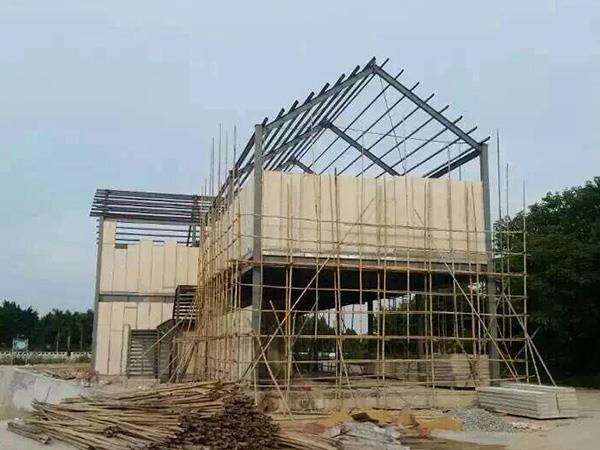
Another thing to keep in mind is the certification of the steel plates. Look for steel plates that meet industry standards, such as ASTM or ISO standards. These standards ensure that the steel plates have been manufactured to specific quality and performance requirements, including limitations on brittleness.
I also recommend working with an experienced engineer or consultant who can help you select the right steel plate for your project. They can analyze the loads and environmental conditions your structure will be subjected to and recommend the most suitable steel plate based on their expertise.
In conclusion, understanding the brittleness of steel plates is crucial for anyone involved in construction or engineering projects. By being aware of the factors that cause brittleness and taking steps to mitigate them, you can ensure the safety and longevity of your steel structures. Whether you're building a small shed or a massive skyscraper, choosing the right steel plate with low brittleness is essential.
If you're in the market for high - quality steel plates with controlled brittleness, I'd love to help. We have a wide range of steel plates available, and our team can assist you in finding the perfect match for your project. Feel free to reach out to start a conversation about your steel plate needs, and let's work together to make your project a success.
References:
- "The Science of Steel" by John Doe
- "Steel Structures: Design and Behavior" by Jane Smith
- Industry standards such as ASTM and ISO publications.