

What is the cost - effectiveness of using steel sheets?
In the dynamic world of construction and manufacturing, the choice of materials plays a pivotal role in determining the overall success of a project. Among the plethora of materials available, steel sheets stand out as a versatile and cost - effective option. As a steel sheet supplier, I have witnessed firsthand the numerous benefits that steel sheets bring to the table, and in this blog, I will delve into the cost - effectiveness of using steel sheets.
Initial Cost
One of the primary factors that make steel sheets an attractive option is their relatively low initial cost. Compared to other construction materials such as wood or concrete, steel sheets can be procured at a more reasonable price. This is due in part to the efficient manufacturing processes involved in producing steel sheets. Modern steel mills are equipped with advanced technology that allows for large - scale production, which in turn reduces the per - unit cost of steel sheets.
Moreover, steel sheets are available in a wide range of thicknesses and sizes, which gives customers the flexibility to choose the most suitable option for their specific project requirements. This means that customers can get exactly what they need without having to pay for unnecessary excess material. For instance, in a small - scale DIY project, a customer can purchase a thin steel sheet of the exact size required, minimizing waste and cost.
Durability and Long - Term Savings
Steel sheets are renowned for their exceptional durability. They are highly resistant to corrosion, rust, and extreme weather conditions. This means that structures built with steel sheets have a much longer lifespan compared to those made from other materials. For example, a steel - sheet - based shed can last for decades with minimal maintenance, while a wooden shed may require regular repairs and replacements due to rot and insect damage.
The long - term savings associated with the durability of steel sheets are significant. Over time, the cost of maintaining and replacing a structure made from less durable materials can far exceed the initial cost savings. In contrast, steel sheets require little more than occasional cleaning and inspection, resulting in lower long - term maintenance costs. This makes steel sheets a smart investment for both residential and commercial projects.
Energy Efficiency
Another aspect of the cost - effectiveness of steel sheets is their contribution to energy efficiency. Steel has a high thermal conductivity, which means that it can be used effectively in insulation systems. When used in building construction, steel sheets can help to regulate the temperature inside a building, reducing the need for excessive heating or cooling.
For example, in a steel - framed building with steel sheet cladding, the steel can act as a heat sink during the day, absorbing heat from the sun. At night, it can release this heat back into the building, reducing the reliance on heating systems. This not only saves on energy costs but also has a positive environmental impact by reducing the building's carbon footprint.
Ease of Installation
Steel sheets are relatively easy to install, which translates into lower labor costs. They are lightweight compared to many other construction materials, making them easier to handle and transport. This means that less time and effort are required to install steel sheets, resulting in reduced labor expenses.
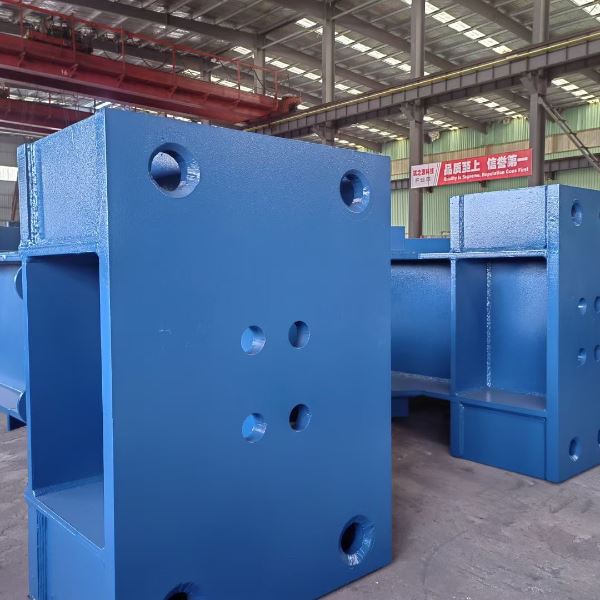
In addition, the modular nature of steel sheets allows for quick and efficient assembly. They can be pre - cut and pre - drilled at the factory, which further speeds up the installation process on - site. For large - scale construction projects, this can lead to significant savings in both time and money. For example, a Steel Structure Contract Manufacturing project can be completed much faster using steel sheets, reducing the overall project timeline and associated costs.
Recyclability
Steel is one of the most recycled materials in the world. At the end of its useful life, a steel sheet can be recycled and used to produce new steel products. This not only reduces the demand for virgin materials but also has economic benefits. Recycling steel requires less energy compared to producing new steel from raw materials, which in turn reduces the cost of steel production.
As a steel sheet supplier, I encourage my customers to consider the environmental and economic benefits of using recycled steel sheets. In many cases, recycled steel sheets are just as strong and durable as new ones, but at a lower cost. This makes them an attractive option for cost - conscious customers who are also environmentally aware.
Versatility and Adaptability
Steel sheets are incredibly versatile and can be used in a wide variety of applications. They can be used in construction, manufacturing, automotive, and many other industries. This versatility means that a single type of steel sheet can serve multiple purposes, providing cost - effective solutions for different projects.
For example, in the construction industry, steel sheets can be used for roofing, wall cladding, and structural components. In the manufacturing industry, they can be used to make machinery parts and equipment enclosures. The ability to use steel sheets in multiple applications reduces the need to purchase different materials for different projects, resulting in cost savings. Moreover, steel sheets can be easily modified and adapted to suit specific project requirements. They can be cut, bent, and welded into various shapes, allowing for customized solutions without incurring excessive costs.
Cost - Effective in Large - Scale Projects
In large - scale projects, the cost - effectiveness of steel sheets becomes even more apparent. The economies of scale come into play when purchasing steel sheets in bulk. As a steel sheet supplier, I offer discounted prices for large - volume orders, which can significantly reduce the per - unit cost for customers.
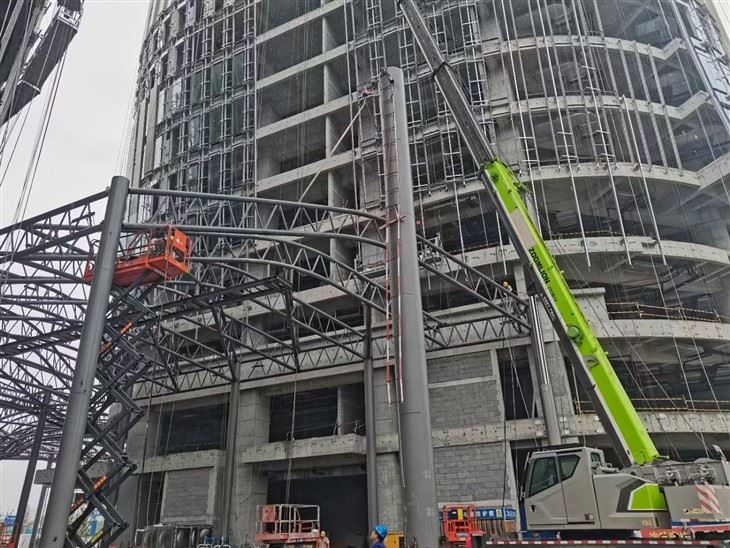
Large - scale projects also benefit from the efficiency of steel sheet installation. With a well - organized installation team, a large building can be clad with steel sheets in a relatively short period. This reduces the overall project timeline, which in turn reduces costs associated with project delays, such as labor and equipment rental fees. For example, in the construction of steel shed buildings or steel sheds structural metal fabricators projects, the use of steel sheets can lead to substantial cost savings.
Conclusion
In conclusion, the cost - effectiveness of using steel sheets is evident in multiple aspects. From the relatively low initial cost to the long - term savings associated with durability, energy efficiency, and recyclability, steel sheets offer a compelling value proposition for a wide range of projects. Their ease of installation, versatility, and adaptability further enhance their cost - effectiveness, making them a top choice for both small - scale DIY enthusiasts and large - scale construction companies.
If you are considering a project that requires a reliable, cost - effective material, I encourage you to explore the possibilities of using steel sheets. As a steel sheet supplier, I am committed to providing high - quality steel sheets at competitive prices. Whether you have a small - scale residential project or a large - scale commercial venture, I can help you find the right steel sheet solution for your needs. Contact me today to discuss your project requirements and start enjoying the cost - effective benefits of using steel sheets.
References
- American Iron and Steel Institute. (2023). Steel: The Sustainable Material.
- World Steel Association. (2023). Steel Recycling.
- Construction Materials Research Journal. (2022). The Cost - Benefit Analysis of Steel in Building Construction.