

What is the difference between stainless steel panels and carbon steel panels?
Hey there! As a steel panel supplier, I often get asked about the differences between stainless steel panels and carbon steel panels. It's a crucial question, especially for those in construction, manufacturing, and other industries that rely on steel. So, let's dive right in and break down the key differences between these two types of steel panels.
Composition
First off, let's talk about what these panels are made of. Stainless steel panels are mainly composed of iron, with a significant amount of chromium (usually at least 10.5%). This chromium forms a thin, invisible layer of chromium oxide on the surface of the steel. This layer acts as a shield, protecting the steel from corrosion and rust. Some stainless steels also contain other elements like nickel, molybdenum, and titanium to enhance specific properties.
On the other hand, carbon steel panels are primarily made up of iron and carbon. The carbon content in carbon steel can vary, but it's generally between 0.05% and 2.0%. Unlike stainless steel, carbon steel doesn't have a high enough chromium content to form that protective oxide layer. As a result, it's more prone to rusting and corrosion.
Corrosion Resistance
One of the most significant differences between stainless steel and carbon steel panels is their corrosion resistance. Stainless steel's chromium oxide layer makes it highly resistant to rust and corrosion, even in harsh environments. This is why you often see stainless steel used in applications where it's exposed to moisture, chemicals, or saltwater, like kitchen appliances, marine equipment, and outdoor sculptures.
Carbon steel, however, doesn't have that built - in protection. When exposed to oxygen and moisture, the iron in carbon steel reacts to form iron oxide, which is rust. To prevent corrosion, carbon steel panels usually need to be coated with paint, zinc, or other protective materials. Without proper protection, carbon steel can deteriorate quickly, especially in wet or corrosive environments.
Strength and Durability
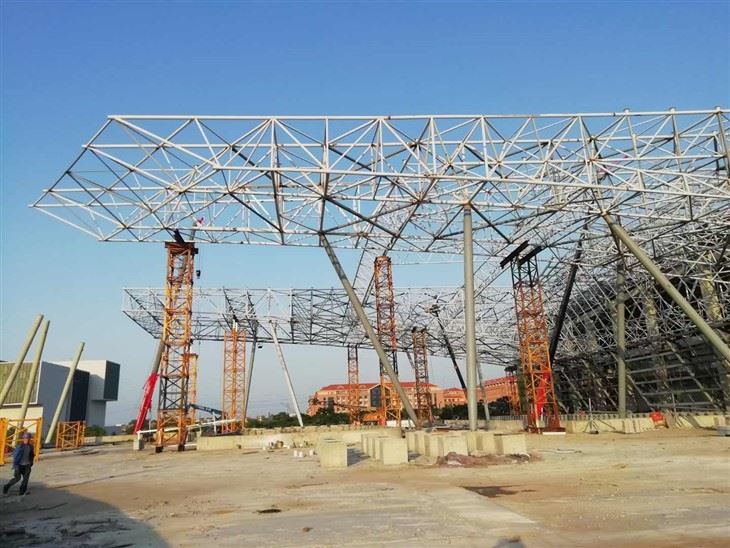
Both stainless steel and carbon steel panels are strong and durable, but they have different strength characteristics. Carbon steel is known for its high strength and hardness. It's often used in applications where high strength is required, such as High Rise Building Steel Structure Skyscraper Framing Systems. The high carbon content in carbon steel gives it excellent tensile strength, making it suitable for structural components like beams, columns, and bridges.
Stainless steel, while also strong, has a different strength profile. It's more ductile than carbon steel, which means it can be bent and formed into various shapes without cracking. This makes stainless steel ideal for applications where complex shapes are needed, like decorative panels, automotive parts, and kitchen utensils.
Appearance
The appearance of stainless steel and carbon steel panels is also quite different. Stainless steel has a shiny, metallic finish that gives it a modern and sleek look. It's often used in applications where aesthetics are important, such as architectural facades, interior design elements, and consumer products.
Carbon steel, on the other hand, has a more matte and industrial look. It can be painted or coated to achieve different colors and finishes, but its natural appearance is less polished than stainless steel.
Cost
Cost is always a factor when choosing between materials. Generally, stainless steel panels are more expensive than carbon steel panels. The higher cost of stainless steel is due to the more complex manufacturing process and the use of more expensive alloying elements like chromium and nickel.
Carbon steel is more affordable, making it a popular choice for large - scale construction projects and applications where cost is a major concern. However, you also need to consider the long - term costs. While carbon steel may be cheaper upfront, the cost of corrosion protection and maintenance over time can add up.
Weldability
Weldability is an important consideration, especially in manufacturing and construction. Stainless steel can be welded, but it requires special techniques and equipment. The high chromium and nickel content in stainless steel can cause issues like cracking and corrosion if not welded correctly. Professional welders with experience in stainless steel welding are usually required.

Carbon steel is generally easier to weld. It can be welded using common welding methods like arc welding, MIG welding, and TIG welding. This makes it a more accessible option for DIY projects and small - scale manufacturing. However, proper pre - and post - welding treatments are still necessary to ensure the strength and integrity of the weld. For more information on welding techniques for steel panels, check out Welding Fabrication.
Applications
The differences in properties between stainless steel and carbon steel panels lead to different applications. Stainless steel panels are commonly used in the food and beverage industry, where hygiene and corrosion resistance are crucial. They're also used in the medical field for surgical instruments and equipment. In architecture, stainless steel is used for cladding, handrails, and decorative elements.
Carbon steel panels are widely used in construction for structural components, as mentioned earlier. They're also used in the automotive industry for frames and parts, and in heavy machinery manufacturing. For those looking for Steel Structure Contract Manufacturing, carbon steel is often the go - to material.
Conclusion
In conclusion, the choice between stainless steel and carbon steel panels depends on your specific needs. If you need a material that's highly corrosion - resistant, has a sleek appearance, and can be formed into complex shapes, stainless steel is the way to go. However, if you're on a budget and need high - strength material for structural applications, carbon steel might be the better option.
As a steel panel supplier, I'm here to help you make the right choice. Whether you're working on a small DIY project or a large - scale construction job, I can provide you with high - quality stainless steel and carbon steel panels. If you have any questions or want to discuss your project requirements, don't hesitate to reach out. Let's work together to find the perfect steel panels for your needs!
References
- "Metallurgy for Dummies" by Jeff Gryk
- "Steel Construction Manual" by the American Institute of Steel Construction