

What is the heat - treatment process for steel sheets?
Hey there! As a steel sheet supplier, I often get asked about the heat - treatment process for steel sheets. It's a crucial topic because the right heat - treatment can significantly enhance the properties of steel sheets, making them suitable for a wide range of applications. So, let's dive right in and explore what this process is all about.
Basics of Steel Sheet Heat - Treatment
Heat - treatment of steel sheets is all about changing the physical and sometimes chemical properties of the steel by heating and cooling it in a controlled way. You see, steel is an alloy mainly made up of iron and carbon, and by adjusting its microstructure through heat - treatment, we can get different levels of hardness, strength, toughness, and ductility.
There are several key heat - treatment processes for steel sheets, and each one serves a unique purpose.
Annealing
One of the most common heat - treatment processes is annealing. Annealing involves heating the steel sheet to a specific temperature and then cooling it slowly. This process helps to relieve internal stresses that might have built up during manufacturing, like rolling or forming. It also makes the steel more ductile, which means it can be bent or shaped more easily without cracking.
Here's how it works. First, we heat the steel sheet to a temperature above its critical point. The critical point is the temperature at which the steel's microstructure starts to change. Once it reaches that temperature, we hold it there for a certain period to allow the internal structure to become more uniform. Then, we cool it very slowly, usually in the furnace itself. This slow cooling gives the atoms in the steel enough time to rearrange themselves into a more stable and less stressed structure.
Annealed steel sheets are great for applications where formability is important, such as in the automotive industry for making body panels or in the construction of metal cabinets.
Normalizing
Normalizing is similar to annealing, but with a few differences. Like annealing, we heat the steel sheet above its critical temperature. However, instead of slow cooling in the furnace, we cool it in air. This faster cooling rate results in a finer grain structure compared to annealing.
The finer grain structure gives the steel sheet better strength and hardness. Normalized steel sheets are often used in applications where a combination of strength and ductility is required. For example, they can be used in the manufacturing of machine parts, like gears and shafts. If you're looking for steel truss manufacturers, they might use normalized steel sheets in their structures to ensure good performance.
Quenching
Quenching is a process that involves heating the steel sheet to a high temperature and then rapidly cooling it. This is usually done by immersing the hot steel sheet in a quenching medium, such as water, oil, or a polymer solution. The rapid cooling creates a very hard and brittle microstructure in the steel.
The hardness comes from the formation of a phase called martensite. Martensite is a very hard and strong phase, but it's also quite brittle. So, quenched steel sheets are often too hard and brittle to be used directly in most applications. That's where tempering comes in.
Tempering
Tempering is a follow - up process to quenching. After quenching, we heat the steel sheet to a relatively low temperature, below its critical point, and then hold it there for a certain time before cooling it. Tempering helps to reduce the brittleness of the quenched steel while still maintaining a high level of hardness and strength.
The exact temperature and time for tempering depend on the desired properties of the steel sheet. For example, if we want a very tough and ductile steel, we might use a higher tempering temperature for a longer time. In contrast, if we need a steel with high hardness and some toughness, we'll use a lower tempering temperature. Tempered steel sheets are widely used in applications like cutting tools, springs, and high - strength structural components.
Case Hardening
Case hardening is a process that's used to create a hard outer surface (case) on a steel sheet while keeping the inner core soft and tough. This is useful when you need a part that has a wear - resistant surface but also needs to be able to absorb shocks without breaking.
There are different methods of case hardening, such as carburizing, nitriding, and carbonitriding. In carburizing, we heat the steel sheet in a carbon - rich environment. The carbon diffuses into the surface of the steel, increasing the carbon content in the outer layer. Then, we quench and temper the steel to harden the carburized layer.
Nitriding, on the other hand, involves introducing nitrogen into the surface of the steel. This is done by heating the steel in a nitrogen - rich atmosphere. Nitriding can create a very hard and wear - resistant surface without the need for quenching, which reduces the risk of distortion.
Benefits of Heat - Treatment for Steel Sheets
The heat - treatment of steel sheets offers a whole bunch of benefits. Firstly, it allows us to tailor the properties of the steel to meet the specific requirements of different applications. Whether you need a super - strong and hard steel for a heavy - duty machine part or a ductile steel for easy forming, heat - treatment can make it happen.
Secondly, heat - treatment can improve the quality and durability of the steel sheets. By relieving internal stresses and creating a more uniform microstructure, we can reduce the risk of cracking and failure during use. This means that products made from heat - treated steel sheets will last longer and perform better.
Applications in Different Industries
The heat - treated steel sheets have a wide range of applications across various industries. In the automotive industry, they are used for making engine components, suspension parts, and body panels. The different heat - treatment processes ensure that these parts have the right combination of strength, toughness, and formability.
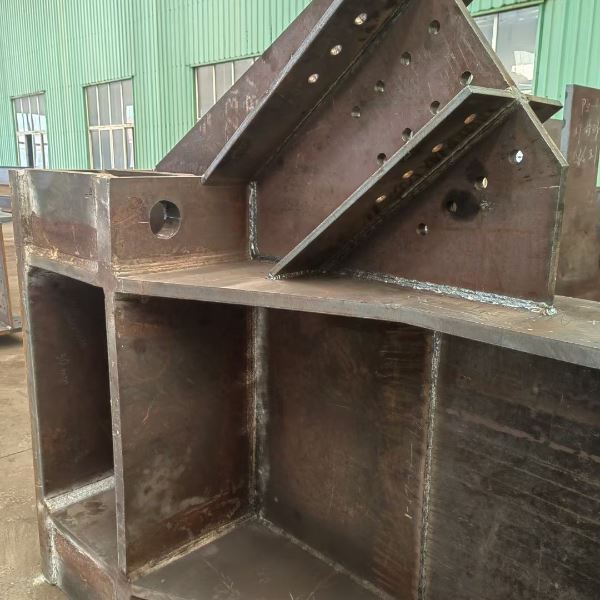
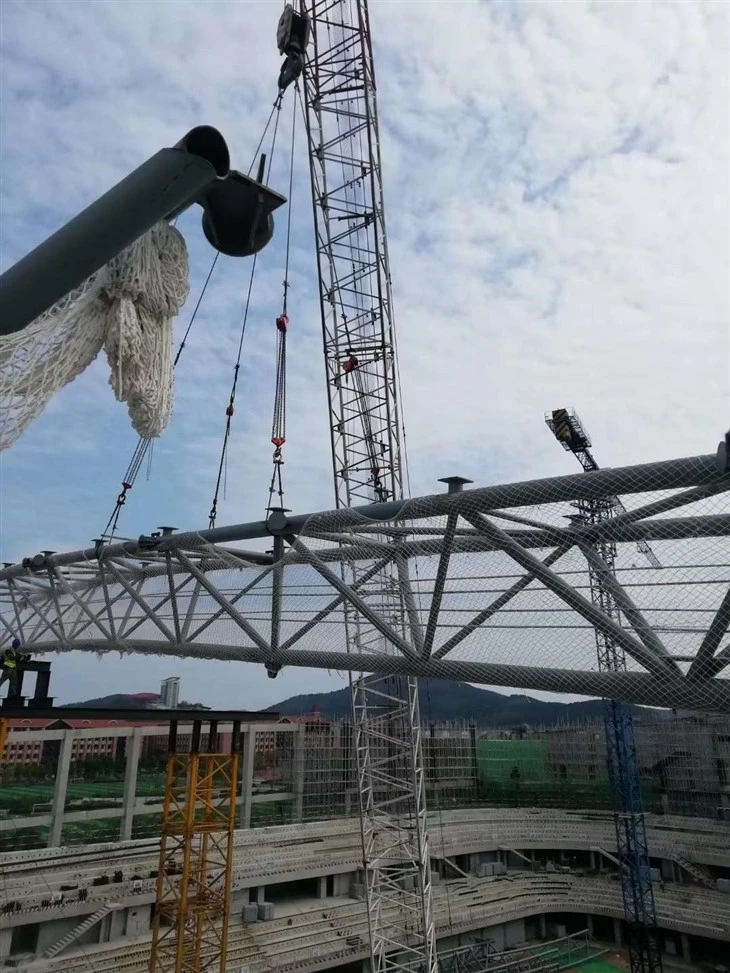
In the construction industry, heat - treated steel sheets are used in Welding Fabrication and Steel Structure Contract Manufacturing. They can be used to build bridges, high - rise buildings, and industrial structures. The strength and durability provided by heat - treatment are essential for ensuring the safety and stability of these structures.
Contact for Purchase and Discussion
If you're in the market for high - quality heat - treated steel sheets, you've come to the right place. As a steel sheet supplier, I have a wide range of steel sheets that have been carefully heat - treated to meet different requirements. Whether you're working on a small DIY project or a large - scale industrial construction, I can provide you with the right steel sheets.
Don't hesitate to reach out if you have any questions about the heat - treatment process or if you want to discuss your specific needs. We can talk about the best heat - treatment option for your application and find the perfect steel sheets for you.
References
- ASM Handbook Committee. (2007). ASM Handbook Volume 4: Heat Treating. ASM International.
- Liscic, B., & Totten, G. E. (2006). Steel Heat Treatment: Metallurgy and Technologies. CRC Press.