

What is the resistance of color steel to acid and alkali?
As a seasoned color steel supplier, I've encountered numerous inquiries regarding the acid and alkali resistance of color steel. This property is of utmost significance, especially when color steel is used in various environments where it may come into contact with acidic or alkaline substances. In this blog, I'll delve into the science behind the acid and alkali resistance of color steel, exploring the factors that influence it and how it impacts different applications.
Understanding Color Steel
Color steel, also known as pre - painted steel, is a type of steel sheet that has been coated with a layer of paint or resin. This coating not only provides an aesthetically pleasing appearance but also serves as a protective barrier against corrosion and other environmental factors. The base metal of color steel is typically cold - rolled steel or hot - dipped galvanized steel, which offers a certain level of inherent corrosion resistance.
Factors Affecting Acid and Alkali Resistance
Coating Composition
The composition of the coating on color steel plays a crucial role in its acid and alkali resistance. Different types of coatings, such as polyester, silicon - modified polyester, polyvinylidene fluoride (PVDF), etc., have varying degrees of resistance to acidic and alkaline substances.
- Polyester Coatings: These are the most commonly used coatings for color steel due to their relatively low cost. However, they have limited resistance to acids and alkalis. Polyester coatings can withstand mild acidic or alkaline environments for a certain period, but prolonged exposure can lead to coating degradation, such as blistering, peeling, and loss of adhesion.
- Silicon - Modified Polyester Coatings: By incorporating silicon into the polyester resin, the acid and alkali resistance of the coating is improved. Silicon - modified polyester coatings offer better performance than pure polyester coatings, especially in moderately corrosive environments. They can resist the attack of some weak acids and alkalis and have better weatherability.
- PVDF Coatings: Polyvinylidene fluoride coatings are known for their excellent chemical resistance. PVDF has a high - density molecular structure that provides a strong barrier against a wide range of acids and alkalis. These coatings are often used in harsh environments, such as chemical plants, coastal areas with high salt - mist and acid rain, and industrial zones with high levels of pollution.
Thickness of the Coating
The thickness of the coating also affects the acid and alkali resistance of color steel. A thicker coating generally provides better protection as it takes longer for acidic or alkaline substances to penetrate through to the base metal. However, there is a limit to how thick the coating can be applied. If the coating is too thick, it may lead to problems such as poor adhesion, cracking, and longer curing times.
Surface Treatment of the Base Metal
Before applying the coating, the base metal of color steel usually undergoes a surface treatment process, such as phosphating or chromating. These treatments improve the adhesion of the coating to the base metal and also enhance the overall corrosion resistance. A well - treated base metal surface can better withstand the attack of acids and alkalis, as it forms a more stable interface between the metal and the coating.
Applications and Acid - Alkali Resistance Requirements
Building Construction
In building construction, color steel is widely used for roofing, wall cladding, and partitions. The acid and alkali resistance requirements depend on the location and the surrounding environment of the building.
- Residential Buildings: In normal residential areas, the color steel used for roofing and wall cladding usually only needs to withstand mild environmental conditions. Polyester or silicon - modified polyester coatings are sufficient in most cases. For example, in a suburban area with clean air and little industrial pollution, color steel with a polyester coating can provide long - term protection.
- Industrial Buildings: Industrial buildings, especially those in chemical, pharmaceutical, and food processing industries, often face more severe acid and alkali exposure. In these cases, color steel with PVDF coatings is recommended. For instance, a chemical plant may have various acidic and alkaline chemicals in the air or on the ground. Using color steel with PVDF coatings can prevent corrosion and ensure the structural integrity of the building.
Agricultural Applications
Color steel is also used in agricultural buildings, such as steel shed buildings and livestock shelters. In agricultural environments, color steel may be exposed to fertilizers, animal waste, and other substances that can be acidic or alkaline. Silicon - modified polyester coatings are commonly used as they can resist the mild corrosive effects of these substances.
Transportation Industry
In the transportation industry, color steel is used for manufacturing trailers, containers, and other transport equipment. These vehicles may be exposed to different environmental conditions during transportation, including acid rain, road salts, and industrial pollutants. PVDF or high - quality silicon - modified polyester coatings are preferred to ensure the durability of the color steel.
Testing the Acid and Alkali Resistance of Color Steel
To ensure the quality and performance of color steel, various testing methods are used to evaluate its acid and alkali resistance.
Salt Spray Test
The salt spray test is a common method to simulate the corrosive effects of a marine or industrial environment. In this test, color steel samples are placed in a chamber filled with a salt - water mist. The samples are then observed for a certain period to check for signs of corrosion, such as rust spots, coating blistering, and peeling. The longer the color steel can withstand the salt spray without significant damage, the better its corrosion resistance.
Acid and Alkali Immersion Test
In an acid and alkali immersion test, color steel samples are immersed in solutions of different acids and alkalis with specific concentrations and temperatures. The samples are monitored over time to measure the rate of coating degradation and metal corrosion. This test provides more direct information about the color steel's resistance to specific acidic and alkaline substances.
Conclusion
The acid and alkali resistance of color steel is a complex property that is influenced by multiple factors, including coating composition, coating thickness, and surface treatment of the base metal. Different applications have different requirements for acid and alkali resistance, and choosing the appropriate color steel with the right coating is crucial to ensure its long - term performance.
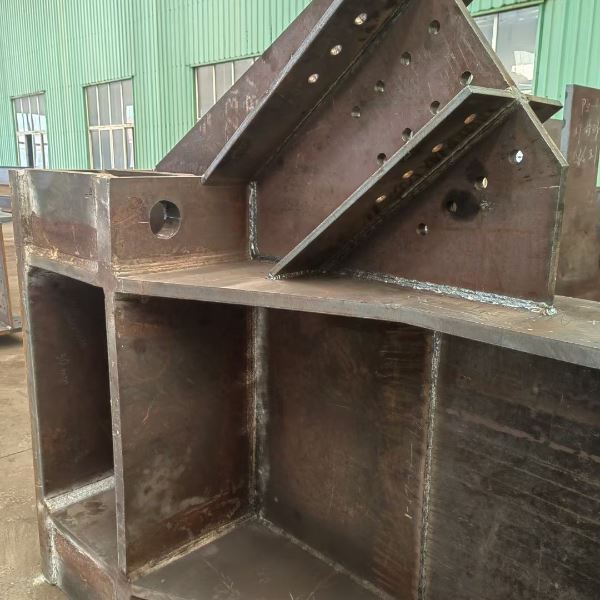
As a color steel supplier, we offer a wide range of color steel products with different coating options to meet the diverse needs of our customers. Whether you are building a Steel Structure Contract Manufacturing project, an agricultural shed, or a transportation vehicle, we can provide you with high - quality color steel that has the appropriate acid and alkali resistance.

If you are interested in our color steel products or have any questions about acid and alkali resistance, please feel free to contact us for procurement and further discussion. We are committed to providing you with the best solutions and high - quality products.
References
- "Corrosion Resistance of Painted Steel Sheets" - Journal of Materials Science and Engineering
- "Study on the Acid - Alkali Resistance of Different Coatings on Steel" - Corrosion Science and Protection Technology
- "Application of Color Steel in Harsh Environments" - Building Materials Research Journal