

Are mass houses close to public transportation?
Are mass houses close to public transportation? This is a question that often comes up in the real estate market, especially when it comes to the development and sale of mass houses. As a mass house supplier, I have had the opportunity to observe and analyze the relationship between mass houses and public transportation from various perspectives. In this blog post, I will share my insights on this topic, exploring the importance of public transportation access for mass houses, the current situation, and the future trends.
The Importance of Public Transportation Access for Mass Houses
Public transportation plays a crucial role in the livability and desirability of mass houses. Here are some key reasons why:
1. Mobility and Convenience
For many residents, especially those who do not own a car or prefer not to drive, public transportation provides a convenient way to access work, school, shopping, and other essential services. Having a mass house located close to public transportation means that residents can easily commute to their destinations without the hassle of traffic congestion, parking problems, and high fuel costs. This not only saves time and money but also reduces stress and improves the quality of life.
2. Environmental Sustainability
In an era of increasing environmental awareness, public transportation is considered a more sustainable mode of transportation compared to private cars. By encouraging the use of public transportation, we can reduce greenhouse gas emissions, air pollution, and traffic congestion, which are major environmental challenges in urban areas. Mass houses that are close to public transportation can contribute to a more sustainable and eco-friendly community.
3. Economic Development
Public transportation can also have a positive impact on the economic development of an area. It can attract businesses and investment, as companies are more likely to locate in areas with good transportation infrastructure. Additionally, public transportation can increase the accessibility of job opportunities, which can lead to higher employment rates and economic growth. Mass houses that are located in areas with good public transportation access are more likely to appreciate in value over time, making them a good investment for homebuyers.
The Current Situation of Mass Houses and Public Transportation
In many urban areas, the relationship between mass houses and public transportation is complex. While some mass housing developments are located close to public transportation hubs, others are not. Here are some factors that contribute to this situation:
1. Urban Planning and Zoning
Urban planning and zoning policies play a significant role in determining the location of mass houses and public transportation. In some cases, mass housing developments are planned in areas that are far from existing public transportation infrastructure, due to factors such as land availability, cost, and development priorities. On the other hand, some cities have implemented policies to encourage the development of mass houses near public transportation, such as transit-oriented development (TOD) initiatives.
2. Market Demand
Market demand also influences the location of mass houses. Developers often build mass houses in areas where there is high demand for housing, which may not necessarily be close to public transportation. Homebuyers may prioritize other factors such as price, size, and amenities over public transportation access, especially in areas where car ownership is common.
3. Infrastructure Constraints
Infrastructure constraints can also limit the availability of public transportation near mass houses. Building new public transportation lines or expanding existing ones requires significant investment in infrastructure, which may not be feasible in some areas. Additionally, existing public transportation systems may not be able to accommodate the increased demand from new mass housing developments.
The Future Trends of Mass Houses and Public Transportation
Despite the current challenges, there are several trends that suggest a growing emphasis on the relationship between mass houses and public transportation in the future. Here are some key trends:
1. Transit-Oriented Development (TOD)
Transit-oriented development (TOD) is a planning strategy that focuses on creating compact, mixed-use communities around public transportation hubs. TOD aims to reduce car dependency, promote sustainable development, and improve the quality of life for residents. In recent years, there has been a growing interest in TOD among urban planners, developers, and policymakers, and many cities are implementing TOD initiatives to encourage the development of mass houses near public transportation.
2. Smart Growth
Smart growth is a planning approach that emphasizes the efficient use of land, the preservation of natural resources, and the creation of walkable, sustainable communities. Smart growth principles are often aligned with TOD, as they both aim to reduce sprawl and promote the development of compact, mixed-use communities. In the future, we can expect to see more mass housing developments that are designed in accordance with smart growth principles, with a greater emphasis on public transportation access.

3. Technological Innovations
Technological innovations are also likely to have a significant impact on the relationship between mass houses and public transportation in the future. For example, the development of autonomous vehicles and ride-sharing services may change the way people commute and reduce the need for traditional public transportation. On the other hand, new technologies such as electric buses and trains may make public transportation more efficient, reliable, and environmentally friendly.
Our Offerings as a Mass House Supplier
As a mass house supplier, we understand the importance of public transportation access for our customers. That's why we strive to develop mass housing projects that are located in areas with good public transportation infrastructure. In addition, we offer a wide range of mass house products that are designed to meet the diverse needs and preferences of our customers.
1. Steel Structure Contract Manufacturing
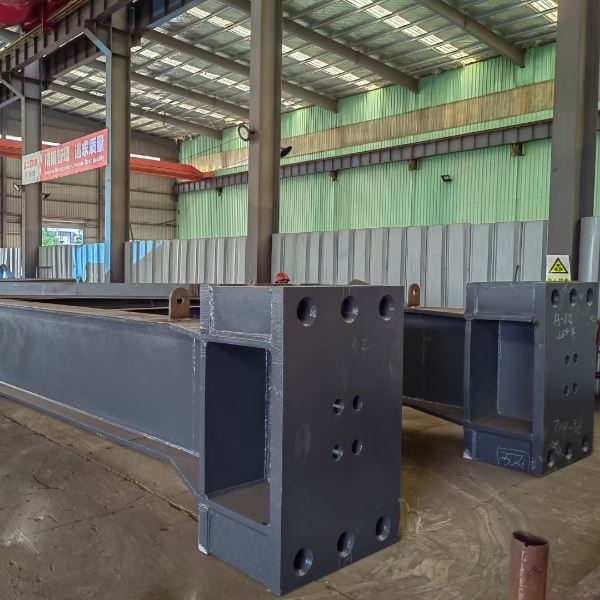
We specialize in Steel Structure Contract Manufacturing, which offers several advantages over traditional construction methods. Steel structures are strong, durable, and lightweight, which makes them ideal for mass housing projects. They can also be prefabricated off-site, which reduces construction time and costs. Our steel structure mass houses are designed to be energy-efficient, environmentally friendly, and easy to maintain.
2. Steel Shed Buildings
We also offer steel shed buildings that can be used as mass houses or other types of buildings. Steel shed buildings are cost-effective, versatile, and easy to install. They can be customized to meet the specific requirements of our customers, and they are available in a variety of sizes and designs.
3. High Rise Building Steel Structure Skyscraper Framing Systems
For larger mass housing projects, we offer High Rise Building Steel Structure Skyscraper Framing Systems. These systems are designed to provide a strong and stable framework for high-rise buildings, while also allowing for flexibility in design and construction. Our high rise building steel structure systems are engineered to meet the highest standards of safety and quality.
Contact Us for Procurement and Negotiation
If you are interested in purchasing mass houses or have any questions about our products and services, please feel free to contact us. We are committed to providing our customers with high-quality mass houses at competitive prices, and we look forward to working with you to meet your housing needs. Whether you are a developer, an investor, or an individual homebuyer, we can offer you the best solutions for your mass housing projects.
References
- Cervero, R. (2004). Transit-oriented development in the United States: experiences, challenges, and prospects. Journal of the American Planning Association, 70(3), 318-332.
- Ewing, R., & Cervero, R. (2010). Travel and the built environment: a meta-analysis. Journal of the American Planning Association, 76(3), 265-294.
- Newman, P., & Kenworthy, J. (1999). Sustainability and cities: overcoming automobile dependence. Island Press.