

What are the safety precautions when handling steel plates?
As a steel plate supplier, I understand the importance of safety when it comes to handling steel plates. Steel plates are widely used in various industries, including construction, manufacturing, and transportation. Their strength and durability make them an essential material, but they also pose significant risks if not handled properly. In this blog post, I will share some safety precautions that should be taken when handling steel plates.
Personal Protective Equipment (PPE)
The first and most crucial step in ensuring safety when handling steel plates is to wear appropriate personal protective equipment. This includes:
- Safety Gloves: Thick, cut-resistant gloves are essential to protect your hands from sharp edges, burrs, and potential cuts. They should fit well and provide a good grip to prevent slipping.
- Safety Glasses or Goggles: These protect your eyes from flying debris, sparks, and metal shavings that may be generated during handling or cutting.
- Steel-Toed Boots: To protect your feet from heavy steel plates that may accidentally fall or be dropped. They also provide stability and support when walking on uneven surfaces.
- Hard Hat: If you are working in an environment where there is a risk of falling objects, such as in a construction site, a hard hat is necessary to protect your head.
- High-Visibility Clothing: This helps you to be easily seen by others, especially in busy work areas or low-light conditions.
Handling Equipment
Using the right handling equipment is also vital for safety. Here are some common types of equipment used for handling steel plates:
- Crane or Forklift: For lifting and moving large and heavy steel plates, a crane or forklift is often required. Operators should be properly trained and certified to use this equipment. They should also follow all safety procedures, such as ensuring the load is balanced and secured before lifting.
- Hoist or Chain Block: These are used for smaller steel plates or in situations where a crane or forklift is not available. They should be inspected regularly for any signs of damage or wear.
- Rollers or Conveyor Belts: These can be used to move steel plates horizontally. They should be properly maintained and adjusted to ensure smooth and safe movement.
- Magnetic Lifters: These are useful for lifting and moving steel plates without the need for chains or slings. However, they should be used with caution as they can lose their magnetic grip if the surface of the steel plate is dirty or damaged.
Storage
Proper storage of steel plates is essential to prevent accidents and damage. Here are some storage tips:
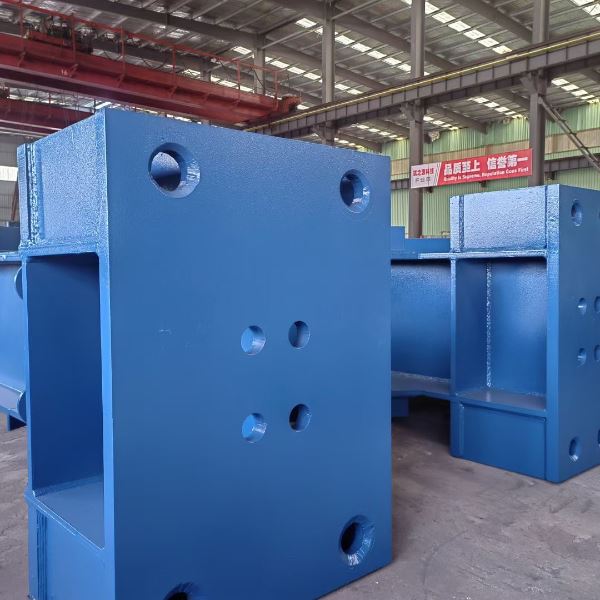
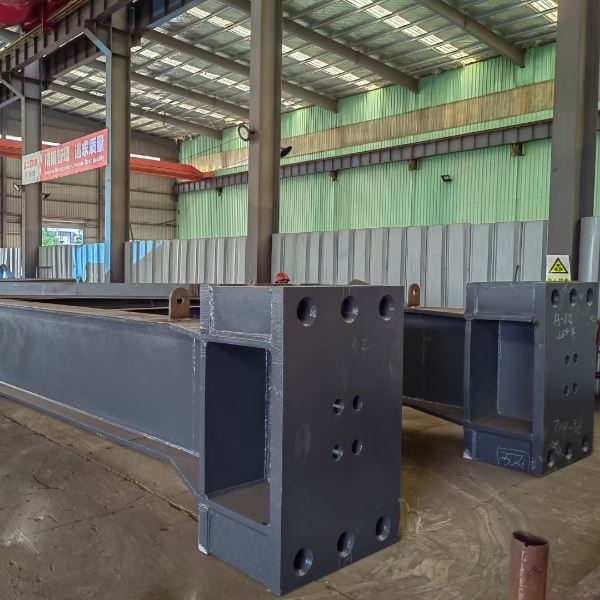
- Store in a Dry Area: Steel plates can rust if exposed to moisture, so it is important to store them in a dry place. If possible, use a covered storage area or a warehouse with a dehumidifier.
- Stack Properly: Steel plates should be stacked in a stable and secure manner to prevent them from falling or toppling over. Use appropriate spacers or supports between the plates to ensure even distribution of weight.
- Label Clearly: Label each stack of steel plates with information such as the size, thickness, and grade. This helps to identify the plates easily and reduces the risk of using the wrong ones.
- Keep Away from Flammable Materials: Steel plates should be stored away from flammable materials, such as oil, gasoline, and solvents, to prevent the risk of fire.
Cutting and Welding
Cutting and welding steel plates are common operations that require special safety precautions. Here are some tips:
- Use Appropriate Cutting and Welding Equipment: Make sure you are using the right type of equipment for the job. For example, use a plasma cutter for thick steel plates and a oxy-fuel cutter for thinner plates.
- Wear Welding PPE: In addition to the regular PPE, when cutting or welding steel plates, you should also wear a welding helmet, welding gloves, and a welding jacket to protect yourself from sparks, heat, and radiation.
- Ventilate the Area: Cutting and welding generate fumes and gases that can be harmful if inhaled. Make sure the work area is well-ventilated, and use a fume extraction system if necessary.
- Follow Welding Procedures: When welding steel plates, it is important to follow the correct welding procedures to ensure a strong and safe weld. This includes using the right welding rod, setting the correct current and voltage, and maintaining the proper welding speed.
Workplace Safety
Creating a safe workplace environment is also crucial for handling steel plates. Here are some general workplace safety tips:
- Keep the Work Area Clean and Organized: A cluttered work area can increase the risk of accidents. Make sure all tools and equipment are stored properly, and any debris or waste is removed regularly.
- Provide Adequate Lighting: Good lighting is essential for safe work. Make sure the work area is well-lit, especially in areas where you are handling steel plates.
- Mark Hazardous Areas: Use warning signs and markings to indicate hazardous areas, such as areas where there is a risk of falling objects, electrical hazards, or chemical spills.
- Train Employees: All employees involved in handling steel plates should receive proper training on safety procedures and the use of equipment. They should also be aware of the potential hazards and how to avoid them.
- Have an Emergency Plan: In case of an accident or emergency, it is important to have an emergency plan in place. This should include procedures for evacuating the area, providing first aid, and reporting the incident.
Conclusion
Handling steel plates safely requires a combination of proper personal protective equipment, the right handling equipment, proper storage, and a safe workplace environment. By following these safety precautions, you can reduce the risk of accidents and injuries and ensure a safe and productive work environment.
If you are in need of high-quality steel plates for your projects, such as for High Rise Building Steel Structure Skyscraper Framing Systems, Welding Fabrication, or Steel Structure Contract Manufacturing, feel free to contact us for further discussion and procurement. We are committed to providing you with the best products and services.
References
- Occupational Safety and Health Administration (OSHA). (n.d.). Steel Erection Standards. Retrieved from [OSHA Website]
- American Society of Mechanical Engineers (ASME). (n.d.). Safety Standards for Lifting and Handling Equipment. Retrieved from [ASME Website]
- National Fire Protection Association (NFPA). (n.d.). Fire Safety Standards for Welding and Cutting. Retrieved from [NFPA Website]