

What are the surface treatment methods for a steel frame?
Hey there! As a steel frame supplier, I've seen firsthand how crucial surface treatment is for steel frames. It's not just about making them look good; it's about protecting them from the elements and ensuring they last a long time. In this blog, I'm gonna share some of the most common surface treatment methods for steel frames.
Galvanizing
Galvanizing is one of the most popular surface treatment methods for steel frames. It involves coating the steel with a layer of zinc, which acts as a sacrificial anode. This means that the zinc will corrode before the steel, protecting it from rust and other forms of corrosion.
There are two main types of galvanizing: hot-dip galvanizing and electro-galvanizing. Hot-dip galvanizing is the most common method, and it involves dipping the steel frame into a bath of molten zinc. This creates a thick, durable coating that provides excellent protection against corrosion. Electro-galvanizing, on the other hand, involves applying a thin layer of zinc to the steel frame using an electric current. This method is less expensive than hot-dip galvanizing, but it provides less protection.
One of the main advantages of galvanizing is its long lifespan. A galvanized steel frame can last for decades without needing any additional maintenance. It's also very resistant to scratches and abrasions, making it ideal for use in harsh environments. However, galvanizing can be expensive, especially for large steel frames. It also adds some weight to the steel frame, which can be a concern in some applications.
Painting
Painting is another popular surface treatment method for steel frames. It involves applying a layer of paint to the steel frame to protect it from corrosion and to give it a decorative finish. There are many different types of paint available, each with its own advantages and disadvantages.
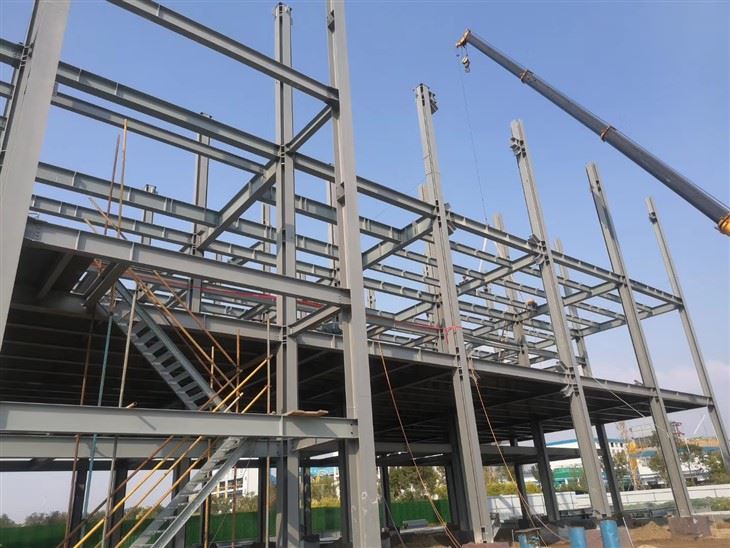
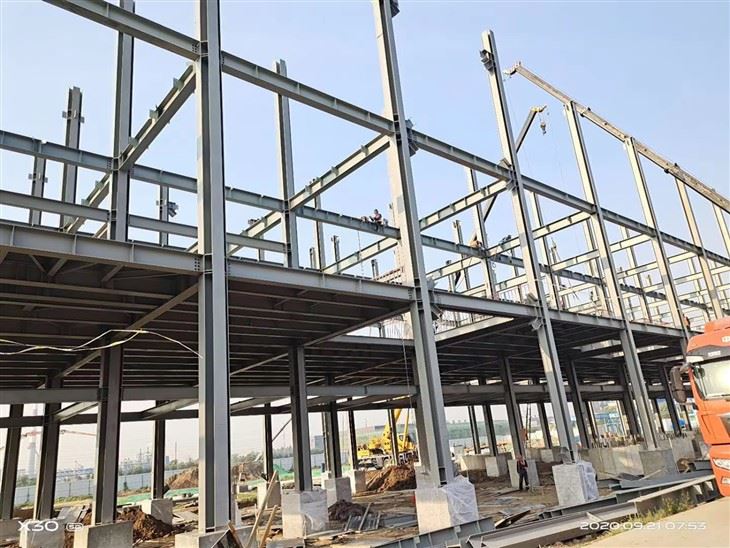
One of the main advantages of painting is its versatility. You can choose from a wide range of colors and finishes to match the style of your project. Painting is also relatively inexpensive compared to other surface treatment methods, especially for small steel frames. However, painting requires regular maintenance to keep it looking good. Over time, the paint can chip and peel, exposing the steel frame to corrosion.
When choosing a paint for your steel frame, it's important to choose a high-quality paint that is specifically designed for use on steel. You should also make sure that the steel frame is properly prepared before painting to ensure that the paint adheres properly. This may involve cleaning the steel frame, sanding it to remove any rust or other contaminants, and applying a primer.
Powder Coating
Powder coating is a relatively new surface treatment method for steel frames. It involves applying a dry powder to the steel frame and then heating it to melt the powder and form a hard, durable coating. Powder coating is similar to painting, but it provides a more uniform and durable finish.
One of the main advantages of powder coating is its durability. A powder-coated steel frame is very resistant to scratches, abrasions, and chemicals. It's also very easy to clean and maintain, making it ideal for use in high-traffic areas. Powder coating is also environmentally friendly, as it doesn't use any solvents or other harmful chemicals.
However, powder coating can be more expensive than painting, especially for small steel frames. It also requires specialized equipment and expertise to apply, which may limit its availability in some areas.
Phosphating
Phosphating is a surface treatment method that involves applying a phosphate coating to the steel frame. This coating helps to improve the adhesion of paint or other coatings to the steel frame, as well as providing some protection against corrosion.
One of the main advantages of phosphating is its ability to improve the adhesion of paint or other coatings. This can help to extend the lifespan of the paint or coating and reduce the need for maintenance. Phosphating is also relatively inexpensive compared to other surface treatment methods, especially for large steel frames.
However, phosphating doesn't provide as much protection against corrosion as galvanizing or powder coating. It's also not as decorative as painting or powder coating, so it may not be suitable for applications where appearance is important.
Conclusion
In conclusion, there are many different surface treatment methods available for steel frames, each with its own advantages and disadvantages. When choosing a surface treatment method for your steel frame, it's important to consider the specific requirements of your project, as well as your budget and maintenance preferences.
If you're looking for a long-lasting, low-maintenance surface treatment, galvanizing or powder coating may be the best option. If you're looking for a more decorative finish or a more affordable option, painting may be the way to go. Phosphating can be a good option if you're looking to improve the adhesion of paint or other coatings to the steel frame.
As a steel frame supplier, I can help you choose the right surface treatment method for your project. I can also provide you with high-quality steel frames that are properly prepared and treated to ensure that they last a long time. If you're interested in learning more about our steel frames or our surface treatment options, please visit our website at Portal Frame H-steel Column And Beam, Structural Steel Structures, or Design of Steel Trusses for Roofing Snow Load Calculations. You can also contact us to discuss your specific requirements and to get a quote for your project.
References
- "Galvanizing: A Guide to the Process and Its Benefits." American Galvanizers Association.
- "Painting Steel Structures: A Guide to Best Practices." National Association of Corrosion Engineers.
- "Powder Coating: A Durable and Environmentally Friendly Finish." Powder Coating Institute.
- "Phosphating: An Overview of the Process and Its Applications." Society of Manufacturing Engineers.