

What are the wind - resistance capabilities of a steel frame?
Hey there! As a supplier of steel frames, I often get asked about the wind - resistance capabilities of these structures. It's a crucial topic, especially when you're thinking about building something that can stand up to the elements. So, let's dive right in and explore what makes steel frames so good at handling wind.
The Basics of Wind Resistance
First off, wind can be a real force to be reckoned with. It can push, pull, and even twist buildings. When it comes to steel frames, their wind - resistance capabilities start with the material itself. Steel is incredibly strong and durable. It has a high strength - to - weight ratio, which means it can withstand a lot of force without being overly heavy.
Imagine a big gust of wind hitting a building. The wind creates pressure on the structure. A steel frame can distribute this pressure evenly throughout the entire structure. This is because steel has excellent ductility, which allows it to bend a little under stress without breaking. It's like a flexible yet tough shield against the wind.
Structural Design for Wind Resistance
The design of the steel frame also plays a huge role in its wind - resistance. A well - designed steel frame will have a proper layout of columns, beams, and braces. These components work together to create a stable structure. For example, diagonal braces can help to resist the lateral forces caused by wind. They act like additional support beams, taking some of the load off the main columns and beams.
When we're designing a steel frame for a building in a windy area, we also take into account the shape of the building. A streamlined shape can reduce wind resistance. Think of an airplane wing. Its shape allows it to cut through the air smoothly. Similarly, a building with a rounded or sloped design can reduce the amount of wind pressure it experiences.
Testing and Certification
We don't just rely on theory when it comes to the wind - resistance of our steel frames. We conduct a series of tests to make sure they meet the required standards. These tests can include wind tunnel testing, where we simulate different wind speeds and directions to see how the frame responds.
Certification is also an important part of the process. We ensure that our steel frames meet industry standards for wind resistance. This gives our customers peace of mind, knowing that the structures they're buying are safe and reliable. You can find more information about the structural aspects of our steel frames on our Structural Steel Structures page.
Comparing with Other Materials
When compared to other building materials like wood or concrete, steel frames have some clear advantages in terms of wind resistance. Wood is less strong and more prone to damage from wind. It can rot over time, which further weakens its structure. Concrete, on the other hand, is heavy and less flexible. It may crack under the stress of strong winds.
Steel frames can be easily customized to meet the specific needs of a project. Whether it's a small residential building or a large commercial complex, we can design a steel frame that can handle the expected wind loads. And if you're dealing with snow loads on the roof in addition to wind, our Design of Steel Trusses for Roofing Snow Load Calculations can provide you with more insights.

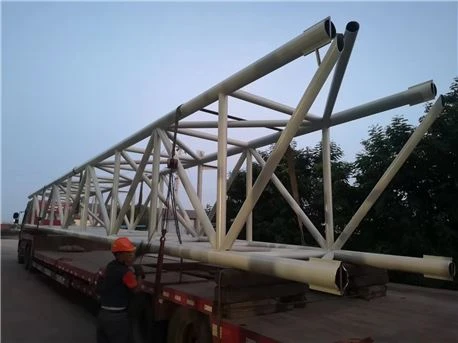
Real - World Applications
In real - world applications, steel frames are used in a wide range of buildings, from high - rise skyscrapers to industrial warehouses. In coastal areas, where strong winds and hurricanes are common, steel frames are the go - to choice for building structures that can withstand these extreme weather conditions.
For example, a high - rise building in a big city needs to be able to resist the strong winds at high altitudes. Our Portal Frame H - steel Column And Beam is often used in such projects. These columns and beams are designed to provide maximum strength and stability, ensuring that the building can stand firm against the wind.
Factors Affecting Wind Resistance
There are several factors that can affect the wind - resistance of a steel frame. The location of the building is a major one. Buildings in areas with higher average wind speeds will need a more robust steel frame design. The height of the building also matters. Taller buildings experience stronger winds at higher altitudes, so they require a steel frame that can handle greater lateral forces.
The surrounding environment can also have an impact. If a building is located in a densely populated area with other tall buildings nearby, the wind flow can be affected. This is known as the "wind tunnel effect," where the wind can be channeled between buildings, increasing its speed and pressure.
Maintenance for Long - Term Wind Resistance
To ensure the long - term wind - resistance of a steel frame, proper maintenance is essential. Regular inspections can help to identify any signs of damage or corrosion. If corrosion is detected early, it can be treated to prevent further deterioration of the steel.
We also recommend that our customers follow our maintenance guidelines. This can include things like applying a protective coating to the steel frame to prevent rust and checking the connections between columns and beams regularly.
Conclusion
In conclusion, the wind - resistance capabilities of a steel frame are a result of the strong material, smart design, rigorous testing, and proper maintenance. Whether you're building a small shed or a large industrial plant, a steel frame can provide the stability and protection you need against the wind.
If you're in the market for a steel frame for your next project, we'd love to have a chat with you. We can discuss your specific needs, design a customized solution, and provide you with all the information you need to make an informed decision. Contact us today to start the conversation about your steel frame requirements.
References
- Building Codes and Standards related to Wind Resistance
- Engineering Studies on Steel Frame Structures
- Industry Reports on Wind - Resistant Building Materials