

What is the ideal height for perches in a hen house?
Hey there! As a hen house supplier, I've gotten tons of questions from chicken keepers over the years. One question that pops up quite often is, "What is the ideal height for perches in a hen house?" Well, let's dig into this topic and find out the best answers.
First off, why do hens even need perches? Hens are natural roosters (well, they like to roost). In the wild, they'd find a nice high spot in a tree to sleep on at night. This gives them a sense of security, keeps them away from ground - dwelling predators, and helps keep their feet and legs healthy. When we keep them in a hen house, providing a proper perch is crucial for their well - being.
Now, let's talk about the ideal height. There isn't a one - size - fits - all answer, as it can depend on a few factors. But generally speaking, perches should be at a height that allows the hens to comfortably jump up and down. For small to medium - sized breeds, a perch height of around 18 inches to 2 feet off the ground is a good starting point. This height is easy for them to access, and it still gives them that elevated feeling of safety.
For larger breeds, you might want to keep the perch a bit lower, around 12 to 18 inches. Larger hens can have more trouble with higher jumps, and a lower perch reduces the risk of injury if they fall. Some folks also like to have multiple levels of perches in the hen house. This gives the hens options and can mimic the natural environment where they'd have different branches at various heights.
When setting up the perches, you also need to think about the spacing between them. Hens need enough room to spread out and get comfortable. A good rule of thumb is to have at least 8 to 10 inches of space between each perch. This way, they don't feel cramped and can sleep without constantly bumping into each other.
Another thing to consider is the material of the perch. You want something that's comfortable for their feet. A round or slightly oval - shaped wooden perch is usually a great choice. It allows their feet to grip properly, which is important for their balance and foot health. Avoid using metal perches, as they can get cold in the winter and be uncomfortable for the hens.
Now, let's talk about how the perch height can affect the overall design of the hen house. If you're going for a taller perch, you need to make sure the hen house has enough vertical space. You don't want the hens to hit their heads on the roof when they jump up. Also, think about how the perches are attached. They should be sturdy and secure so that they don't wobble or break when the hens are using them.
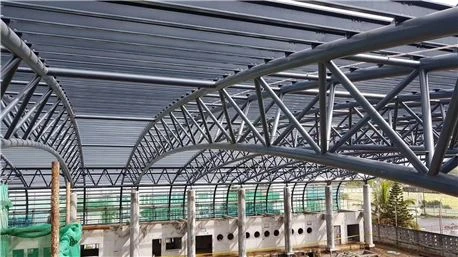
When it comes to the construction of the hen house, there are some great resources out there. For example, if you're interested in the Design of Steel Trusses for Roofing Snow Load Calculations, it can give you some insights on how to build a strong and durable roof for your hen house. And if you're looking for some unique and aesthetically pleasing designs, check out Sculptural Bridges. You might get some inspiration for the overall layout of your hen house. Also, the Latticed Column can be a good option for providing support in the hen house.

In addition to the height and material, the placement of the perches in the hen house matters too. You should place them away from the nesting boxes. Hens like to keep their sleeping and laying areas separate. Placing the perches near the entrance can also be a bad idea, as it can expose the hens to drafts and cold air in the winter.
It's also important to keep an eye on the hens' behavior. If you notice that they're having trouble getting on or off the perches, or if they seem reluctant to use them, it might be a sign that the height or placement isn't right. You can make adjustments accordingly.
One more thing I want to mention is that the ideal perch height can also change as the hens grow. If you're starting with chicks, you'll need to have lower perches at first. As they get bigger, you can gradually increase the height. This helps them get used to the idea of roosting and builds their strength and confidence.
So, to sum it up, the ideal height for perches in a hen house depends on the breed of the hens, the size of the hen house, and the hens' age. A range of 12 to 2 feet off the ground is usually a good starting point, but you should always adjust based on your specific situation.
If you're in the market for a new hen house or need some advice on setting up the perches, I'm here to help. Whether you're a beginner or an experienced chicken keeper, I can provide you with high - quality hen houses and all the information you need to keep your hens happy and healthy. Just reach out, and we can have a chat about your needs.
References
- Various research on chicken behavior and welfare from agricultural universities
- Personal experience as a hen house supplier over the years