

What is the impact of new buildings on the neighborhood?
As a supplier in the building industry, I've witnessed firsthand how new buildings can transform a neighborhood. The construction of new structures is not just about erecting walls and roofs; it's a complex process that can have far - reaching effects on the surrounding community, economy, and environment.

Economic Impact
One of the most immediate impacts of new buildings on a neighborhood is the economic boost they provide. During the construction phase, there is a significant influx of jobs. From laborers on the site to architects and engineers in the planning offices, a wide range of professionals are employed. For instance, a large - scale commercial building project can create hundreds of jobs for several months or even years. This not only benefits the individuals who are hired but also has a multiplier effect on the local economy. Workers spend their earnings on local goods and services, such as food, accommodation, and transportation, which in turn supports local businesses.
Once the building is completed, it can attract new businesses. A new shopping mall, for example, can bring in a variety of retailers, restaurants, and entertainment venues. This not only increases the options available to local residents but also generates tax revenue for the local government. The presence of new businesses can also lead to an increase in property values in the neighborhood. As the area becomes more attractive and prosperous, homeowners may see the value of their properties rise, which can have a positive impact on their financial well - being.
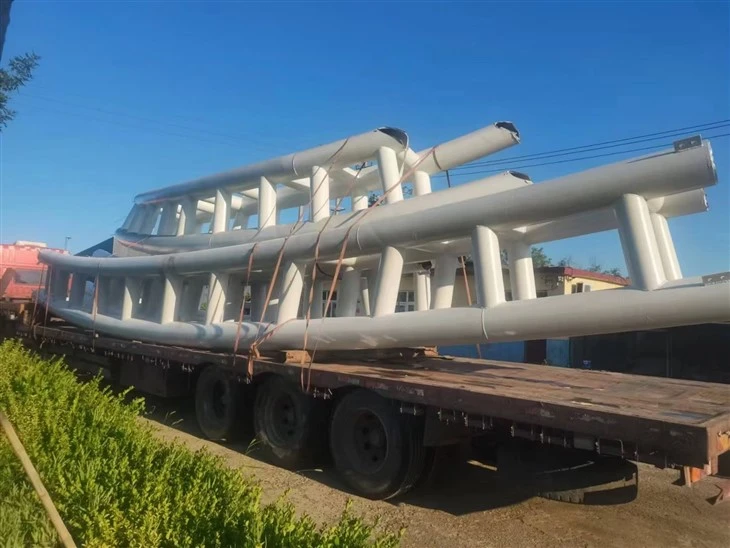
Our company, as a building supplier, plays a crucial role in this economic cycle. We provide high - quality building materials such as steel beams and pre - fabricated components. For those interested in the technical aspects of our products, we offer Welding Services and Steel Beam Connections. Our partnership with local construction companies helps to ensure that projects are completed on time and to the highest standards, further contributing to the economic development of the neighborhood.
Social Impact
New buildings can also have a profound social impact on a neighborhood. They can enhance the quality of life for residents by providing new amenities. A new community center, for example, can offer a space for social gatherings, educational programs, and cultural events. This can help to strengthen the sense of community among residents, as they have a place to come together and interact.
In addition, new housing developments can address the issue of housing shortage. By providing more affordable and high - quality housing options, new buildings can attract a more diverse population to the neighborhood. This can lead to a more inclusive and vibrant community, where people from different backgrounds live and work together.
However, new buildings can also have some negative social impacts. For example, large - scale development projects may displace existing residents if proper measures are not taken. Gentrification can occur when new, more expensive buildings are constructed in a neighborhood, leading to an increase in rent and property prices. This can force low - income residents to move out, disrupting established communities. As a responsible building supplier, we are aware of these issues and support construction practices that are sensitive to the social fabric of the neighborhood.
Environmental Impact
The environmental impact of new buildings is another important consideration. On the positive side, modern building techniques and materials can be used to construct energy - efficient buildings. These buildings consume less energy for heating, cooling, and lighting, which can reduce the overall carbon footprint of the neighborhood. For example, buildings with proper insulation and energy - efficient windows can significantly lower energy consumption.
In addition, new buildings can incorporate green spaces. Rooftop gardens, for example, can provide habitats for wildlife, reduce the urban heat island effect, and improve air quality. These green features not only benefit the environment but also enhance the aesthetic appeal of the neighborhood.
However, the construction process itself can have a negative environmental impact. The excavation, transportation of materials, and use of heavy machinery can cause soil erosion, air pollution, and noise pollution. As a steel fabrication company, we are committed to using sustainable manufacturing processes. We recycle a large portion of our steel waste, and we source our materials from suppliers who adhere to environmental standards. This helps to minimize the environmental impact of the buildings we supply materials for.
Aesthetic Impact
The aesthetic impact of new buildings on a neighborhood cannot be overlooked. Well - designed buildings can enhance the visual appeal of the area, making it more attractive to residents, visitors, and potential investors. A new, modern building with unique architecture can become a landmark in the neighborhood, adding to its character and identity.
On the other hand, poorly designed buildings can have a negative aesthetic impact. They may be out of scale with the existing buildings in the neighborhood, or their design may clash with the local architectural style. This can lead to a sense of visual discord and a decrease in the overall attractiveness of the area.
As a building supplier, we understand the importance of aesthetic design. We work closely with architects and designers to ensure that the materials we provide are not only functional but also contribute to the overall aesthetic of the building. Our pre - fabricated components can be customized to fit a variety of architectural styles, allowing for more flexibility in design.
Conclusion
In conclusion, new buildings can have a wide range of impacts on a neighborhood, both positive and negative. Economically, they can stimulate growth, create jobs, and increase property values. Socially, they can enhance the quality of life and strengthen the sense of community, but they also need to be developed in a way that is inclusive and does not displace existing residents. Environmentally, modern buildings can be designed to be energy - efficient and incorporate green spaces, but the construction process needs to be managed to minimize its negative impact. Aesthetically, well - designed buildings can enhance the visual appeal of the neighborhood, while poorly designed ones can detract from it.
As a building supplier, we are committed to being part of the solution. We provide high - quality, sustainable building materials and support construction practices that are beneficial to the neighborhood. If you are involved in a building project in a neighborhood and are looking for a reliable building supplier, we would love to have a conversation with you. Our team of experts can provide you with detailed information about our products and services and help you find the best solutions for your project. Contact us to start the procurement and negotiation process, and let's work together to create buildings that have a positive impact on the neighborhood.
References
- Newman, P., & Kenworthy, J. (1999). Sustainability and Cities: Overcoming Automobile Dependence. Island Press.
- Knaap, G. J., & Hopkins, L. D. (2001). Urban Planning and Development. Wiley - Blackwell.
- World Green Building Council. (2018). The Business Case for Green Building.